Can one factory handle both T-shirt printing and full garment manufacturing?
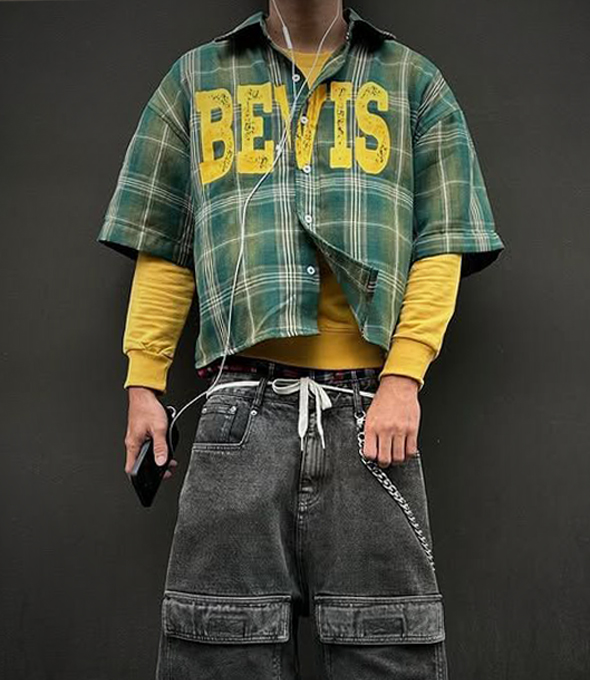
Why do custom streetwear clothing manufacturers need stronger wash and print controls?
A heavyweight hoodie looks simple on a rack, but most production problems start before sewing even begins. When established streetwear brands move from sample approval to bulk production, the biggest risks rarely come from basic stitching. Instead, the true test of a streetwear manufacturer lies in how they control complex wash treatments and graphic print placements across hundreds or thousands of garments.
For independent brands with real traction, inconsistent acid washes or misaligned screen prints can ruin an entire collection. Streetwear is not basic apparel; it relies heavily on fabric manipulation, vintage distressing, and bold graphic execution to communicate brand identity. If a factory cannot maintain sample-to-bulk alignment in these technical areas, procurement teams will face high defect rates, delayed shipments, and compromised product positioning. This article breaks down why specialized streetwear production requires rigorous wash and print controls, and what product development teams must verify before committing to large-scale manufacturing.
Why is streetwear manufacturing more technical than basic apparel production?
Streetwear manufacturing requires advanced technical control because it relies on heavy fabrics, complex wash treatments, and precise graphic placements that basic apparel factories rarely handle. A specialized streetwear factory must manage shrinkage, color consistency, and print durability simultaneously, making sample-to-bulk execution significantly more difficult.
Basic apparel production often focuses on standard cotton blends, simple piece-dyeing, and straightforward silhouettes. The goal is usually high-volume efficiency with minimal variation. In contrast, premium streetwear production is built around custom development and intentional complexity. When a brand requests a 400gsm French Terry hoodie with an oversized fit, an enzyme wash, and a puff print logo, the manufacturer is dealing with multiple variables that interact with and affect each other.
For example, heavy fabrics react differently to wash treatments than standard weights. An enzyme wash designed to soften a 200gsm t-shirt might not penetrate a 400gsm hoodie evenly, leading to stiff patches or uneven fading. Furthermore, the wash process itself can alter the fabric's dimensions. If the pattern development does not account for the specific shrinkage rate of that exact wash formula, the final oversized fit will be compromised. Procurement teams must understand that in streetwear, the fabric, the wash, and the fit are not separate steps—they are a single, interconnected engineering challenge.
Moreover, the construction techniques required for streetwear often push the limits of standard machinery. Heavyweight fleece requires specialized needles, adjusted thread tensions, and reinforced seam bindings to prevent puckering or breakage. When you add complex elements like paneled construction, raw edges, or custom hardware, the technical demands multiply. A factory that excels at producing basic corporate uniforms will almost certainly fail when tasked with executing a multi-technique streetwear garment because they lack the specialized infrastructure and the engineering mindset required to anticipate these interacting variables.
How do wash techniques change bulk production risk?
Wash techniques like acid wash and stone wash introduce high bulk production risks because they rely on chemical and mechanical reactions that are difficult to standardize. Without strict formula control and timing, factories will produce inconsistent fading, fabric damage, or unexpected shrinkage across different production batches.
Wash treatments are central to modern streetwear aesthetics, but they are notoriously difficult to control at scale. Consider the difference between stone wash and acid wash. Stone wash uses physical pumice stones to mechanically abrade the fabric, creating a soft, natural fade. However, the stones break down during the cycle, meaning the abrasion level can change from the first batch to the third if the factory does not monitor the stone-to-fabric ratio meticulously. If the stones become too small, they can get trapped in the pockets or seams, requiring labor-intensive manual removal and potentially damaging the garment during the final finishing stages.
Acid wash, on the other hand, relies on chemical oxidation (often using potassium permanganate) to strip color rapidly. While it offers sharp, high-contrast patterns, the chemical reaction is highly sensitive to time and temperature. If a batch is left in the drum for just a few seconds too long, the fabric fibers can be severely weakened, leading to tearing at the seams during wear. Furthermore, the neutralization process must be perfectly executed; any residual chemicals left in the fabric can cause skin irritation or continue to degrade the garment over time.
For brands working with a China-based custom streetwear clothing manufacturer, it is crucial to verify their wash control protocols. A reliable streetwear manufacturing partner will conduct extensive pre-production testing to establish a locked-in wash formula. Sourcing teams should always request wash standard panels (showing the acceptable light, medium, and dark limits) before approving bulk cutting. This creates a visual contract for the acceptable range of variation, ensuring that the final bulk delivery aligns with the brand's aesthetic standards.
What makes print placement difficult in streetwear production?
Print placement in streetwear is difficult because oversized fits, dropped shoulders, and heavy fabrics distort standard printing templates. Manufacturers must adjust screen print and DTG placements for every size grade to ensure the graphic sits correctly on the body, rather than just centering it on the fabric panel.
In traditional apparel, a logo is often placed a standard distance from the collar, regardless of the garment size. Streetwear completely disrupts this logic. When dealing with boxy fits or extreme drop-shoulder silhouettes, the structural center of the garment panel is no longer the visual center when worn. The drape of the fabric changes how the graphic is perceived, and standard placement rules simply do not apply.
If a factory applies a standard grading rule to a screen print on an oversized hoodie, the graphic might look perfect on a size Medium but end up sitting too low on the stomach or wrapping awkwardly around the sides on a size XXL. To solve this, specialized manufacturers must create custom print placement guides for each size, sometimes requiring different screen sizes for the extreme ends of the size run to maintain the correct visual proportion.
Furthermore, heavy fabrics like 400gsm fleece or textured materials require specialized ink formulations. A standard plastisol ink might crack on heavy fleece when the fabric stretches, while a water-based ink might not show up vibrantly on a dark, over-dyed fabric. Techniques like puff print or high-density screen printing require precise temperature control during the curing process; if the heat is too low, the print won't rise properly, and if it's too high, the fabric can scorch or the print can blister.
Procurement teams must ensure that theirOEM streetwear manufacturerreviews the tech pack specifically for graded print placements. The factory should provide a pre-production sample (PPS) for the smallest and largest sizes, not just the base size, to verify that the graphic proportions and placements scale correctly with the complex silhouette.
What should procurement teams check before approving a heavyweight hoodie sample?
Before approving a heavyweight hoodie sample, procurement teams must check the fabric hand-feel after washing, the stability of the ribbing, the exact shrinkage percentage, and the execution of any embroidery or prints on the thick material to ensure bulk production viability.
Heavyweight cotton (typically 350gsm to 500gsm) is a staple of premium streetwear brands, but it presents unique manufacturing hurdles. The thickness of the fabric makes sewing tolerances much tighter. If the factory uses standard needles or incorrect thread tension, the seams will pucker or the needles will break, causing delays and defects. The sheer weight of the fabric also affects how the garment hangs, meaning the pattern must be engineered specifically for that fabric weight.
When evaluating a sample, product development teams should look closely at the ribbing at the cuffs and hem. Heavyweight bodies require equally robust ribbing (often 2x2 or custom-milled heavy ribbing); otherwise, the garment will lose its shape, the cuffs will stretch out, and the hoodie will drape poorly. The color matching between the heavy fleece body and the ribbing is also notoriously difficult, especially if the garment undergoes a post-sewing dye or wash process.
Additionally, if the hoodie features embroidery, the density of the stitches must be calibrated for the thick fabric. Too many stitches can cause the heavy fleece to bunch up or pucker around the design, while too few will look cheap and sink into the fabric pile. The backing material used for the embroidery must also be strong enough to support the design without adding uncomfortable stiffness to the inside of the garment.
A specialized streetwear factory will not just sew the sample; they will test it. They will wash the sample to calculate the exact shrinkage and adjust the paper patterns accordingly before bulk cutting. Brands with established sales channels cannot afford to discover a 5% shrinkage variance after 2,000 hoodies have already been shipped. Procurement teams must demand documentation of these shrinkage tests and verify that the patterns have been updated for bulk production.
How do complex decoration techniques impact production timelines and quality control?
Complex decoration techniques like appliqué, rhinestones, and mixed-media graphics require multiple specialized production steps, increasing the risk of delays and defects. Factories must coordinate different departments perfectly to ensure these elements are applied securely without damaging the underlying fabric.
Streetwear often relies on layering different decoration techniques to create a premium, textured look. A single garment might feature a screen-printed base, an embroidered logo over the top, and rhinestone accents. Each of these techniques requires different machinery, different operator skills, and different curing or setting processes.
When combining techniques, the order of operations is critical. For example, if a garment is going to be heavily enzyme washed and also feature a delicate puff print, the wash must happen before the print is applied, as the mechanical action of the wash would destroy the raised ink. However, printing on a pre-washed garment means the fabric has already shrunk and distorted slightly, making precise registration of the print much more difficult.
Rhinestones and heavy appliqués present their own challenges. The heat press used to apply rhinestones must be calibrated perfectly; too much heat can scorch the fabric or melt synthetic fibers, while too little heat means the stones will fall off during the first wash. Appliqués require precise cutting and careful edge stitching to prevent fraying, especially on heavy or loosely woven fabrics.
Procurement teams must evaluate a factory's ability to manage these multi-step processes in-house. If a factory has to outsource the embroidery to one facility and the printing to another, the risk of miscommunication, transit damage, and quality control failures increases exponentially. A strong streetwear production partner will have integrated decoration capabilities and strict QC checkpoints between each application step.
Why does oversized fit require real pattern development instead of simple size enlargement?
Oversized fit requires real pattern development because simply scaling up a standard pattern ruins the garment's proportions, resulting in excessively long sleeves and awkward necklines. A specialized manufacturer engineers the drop shoulder, chest width, and hem length specifically to create an intentional, structured drape.
One of the most common mistakes inexperienced factories make is assuming that an "oversized" fit just means making everything bigger. If a factory takes a standard size Large pattern and simply grades it up to an XXL dimensions to achieve an oversized look, the result is a poorly fitting garment. The neckline will be too wide, the sleeves will extend past the hands, and the armholes will bunch uncomfortably under the arms.
True oversized streetwear requires intentional pattern engineering. The shoulder seam must be dropped precisely to hit the upper arm without creating a sharp point. The chest and body width are expanded to create a boxy silhouette, but the overall length is often kept relatively standard or even slightly cropped to prevent the garment from looking like a dress. The sleeve length must be adjusted to account for the dropped shoulder, ensuring the cuff still hits the wrist correctly.
This level of pattern development requires a deep understanding of how different fabrics drape. A 200gsm jersey will fall very differently than a 450gsm fleece when cut into an oversized silhouette. A specialized streetwear manufacturer will drape the pattern on a fit model, adjust the angles of the seams, and refine the armscye (armhole) to ensure the garment looks intentionally oversized, rather than just ill-fitting. Product development teams must review the tech pack's point of measure (POM) guide carefully and insist on fit samples in the actual bulk fabric to verify the drape.
How should brands compare a general apparel factory with a specialized streetwear manufacturer?
Brands should compare factories based on their ability to handle custom fabric development, complex wash consistency, and non-standard pattern engineering.Somespecializedstreetwear manufacturersfocuses on technical execution and sample-to-bulk alignment, whereas general factories prioritize basic, high-volume, standardized production.
Many fashion labels with real retail or online traction make the mistake of taking complex streetwear tech packs to general apparel factories. While these factories might offer lower unit costs on paper, they lack the specific engineering mindset required for streetwear. A general factory is optimized for speed and standard templates; they want to cut, sew, and ship as fast as possible using materials and techniques they already know.
In contrast, premium streetwear production requires a slower, custom streetwear manufacturer more deliberate pre-production phase. A truestreetwear clothing manufacturerwill spend more time in the pattern development and sampling stages. They will challenge the tech pack, asking questions about wash shrinkage, print ink compatibility, and hardware durability. They understand that a vintage wash is not just a color—it is a chemical process that affects the structural integrity of the garment and requires precise formula control.
Which quality checks matter most before bulk streetwear production?
Before bulk production, the most critical quality checks are the pre-production sample (PPS) approval, wash standard validation, print strike-offs, and shrinkage testing. These checks ensure that the factory has locked in the exact technical formulas needed to replicate the approved design at scale.
The transition from sample to bulk is where most streetwear production fails. A beautiful sample means nothing if the factory cannot replicate it 5,000 times. To mitigate this risk, procurement teams must enforce strict quality gates before allowing bulk cutting to commence.
Print Strike-Offs: Before any bulk fabric is cut, the factory must provide strike-offs (test prints on the actual bulk fabric). This verifies the ink color, texture, and adhesion. It also confirms that the ink interacts correctly with any dyes or washes applied to the fabric.
Wash Standards: The factory must provide physical swatches showing the acceptable range of the wash effect. Because washes like acid or stone wash inherently have some variation, the brand and factory must agree on the "lightest acceptable" and "darkest acceptable" limits. This gives the quality control (QC) team a concrete benchmark during final inspection.
Shrinkage Testing: The bulk fabric must be washed and measured to confirm it matches the shrinkage rate calculated during the sampling phase. Fabric from different dye lots or different knitting runs can shrink differently. If the bulk fabric shrinks differently than the sample yardage, the paper patterns must be adjusted immediately before cutting.
Pre-Production Sample (PPS): The PPS must be made using the actual bulk fabric, bulk trims, and bulk wash/print processes. It is the final contract between the brand and the manufacturer. Procurement teams should never approve bulk production based on a sample that uses substitute materials or "similar" wash techniques.
By treating these checks as mandatory technical requirements rather than optional suggestions, streetwear brands with proven sales can protect their product integrity. Strong wash and print controls are not just about aesthetics; they are about risk management, ensuring that complex designs are executed flawlessly on the production line and delivered to the customer exactly as intended.