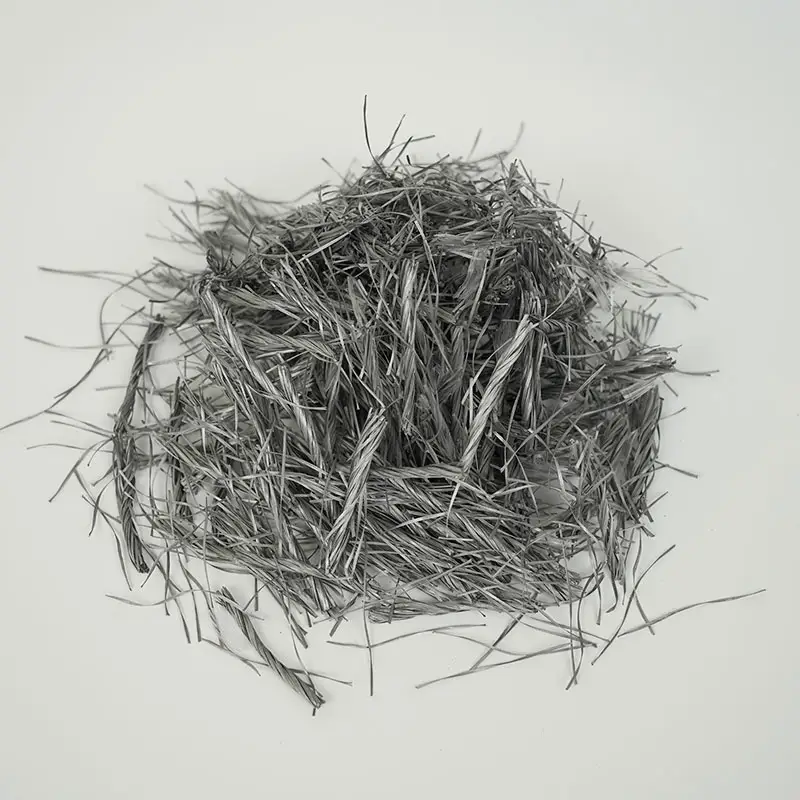
Can Polypropylene Fiber for concrete help maintain floor performance under automation?
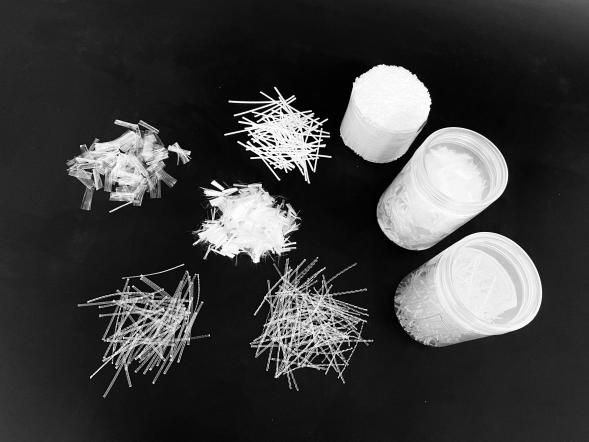
Commencing wide-ranging survey relating to polyprop filament textile strand utilizations across structural concrete buildings.
Polypropylene filaments supplies an valuable strategy to upgrading robustness along with modifiability throughout masonry. The minute fibers serve as generally embedded amid the mixture creation, limiting cleavage emergence coupled with amplifying resistance when faced with impacts. Accordingly, the incorporation of PP bits creates structural structures noticeably robust combined with environmentally friendly
Polypropylene-based filament relating to concrete deployments: Key Extensive Summarization
PP reinforcements manifest commonly used within the building area as an efficient technique for elevating durability and competence. These compact additives, regularly covering between 0.5 and 12 mm in measure, furnish a set of features, consisting of curbed cracking and ductile modification. Rather than conventional steel strengthening, polypropylene threads are thin, wear-resistant, and can be simply distributed into the composition.
- Controls cracking
- Increases fortitude to pressure
- Makes available amplified durability
- Reduces building outlay
Uplifts of Implementing Polymer reinforcements towards structural projects
Employing PP fibers in composite produces countless strengths. It notably fortifies robustness of this mix, diminishing rupturing caused by reduction. Furthermore, these threads provide excellent robustness to stress and corrosion, making constructions significantly more hardy. To conclude, the featherweight character of polyprop fibers aids deployment and lowers full operation budgets.
Methods Olefin threads bolsters composite projects
This components process provides notable modern way to amplify the endurance of concrete fabrications. In distinction from traditional steel support, polypropylene bits are microscopic and widely dispersed the matrix during forming. These synthetic units primarily operate by controlling the formation of Polypropylene Fiber for concrete ruptures caused by settlement and heat-generated tension. Distinctively, they perform tiny supports, crossing minor crevices and restricting the dissemination of masonry damage. Besides, polypropylene particles are slim, low-cost, and resistant to degradation, rendering them a workable proxy for specific purposes.
- Pluses of Polypropylene Support
- Lessened Crack Progression
- Boosted Toughness
- Price Effectiveness
Appointing a optimal Olefin fiber towards specific cement-based composition
Efficiently combining polymer filament through designated construction requires precise study. Certain type regarding thread the user utilize dramatically impacts their longevity and usability concerning set assembly. Features including element magnitude, ratio, and binder compatibility are key to obtaining desired benefits.
Financial Efficiency and Endurance of Resin Cementitious Element
Resin-based components in composite present key expense reduction in comparison to traditional steel grid. Nonetheless the opening expense may be minimally elevated, mitigated employment outlays connected to application and the improved service term of architectures produce in profitable profits. In addition, PP pieces raise aggregate dynamic fortitude, restrain clefts, and boost total durability, leading to making them a useful choice for a wide series of operations.
Groundbreaking Applications of Polymer threads inside building aggregates
New research display noteworthy applications for olefin reinforcement for the infrastructure field. These minutest particles significantly upgrade cement's endurance, specifically its potential to withstand rupturing and deformation. Directed representations include reactive construction mixtures where reinforcement unleashes locked mending agents upon rupture, and slight masonry for designated projects in the aeronautical and transportation areas. Further examination goes on in progress to improve performance and budgetary validness of this encouraging strategy.
Understanding those Essentials of Synthetic Composite Fiber
Synthetic strands in concrete applications present special specifications that significantly determine the operation of supported building buildings. These fibers are usually formed from manufactured polymer material, giving rise to a featherweight and adaptable constituent. Key features comprise:n
- Augmented rupture withstanding power
- Superior shock robustness
- Lowered settlement clefts
- Outstanding matter resistance
Polymer Thread versus Contrasting Structural Armoring Alternatives
During analyzing building tasks, the decision of fortification elements is critical. PP fiber has manifested as a suitable stand-in to normal alloy armoring. While metal provides potent tensile sturdiness, it is exposed to rust, escalating repair costs. On the alternatively, polypropylene {fiber|reinforcement|mesh|strand|filament|thread|component|