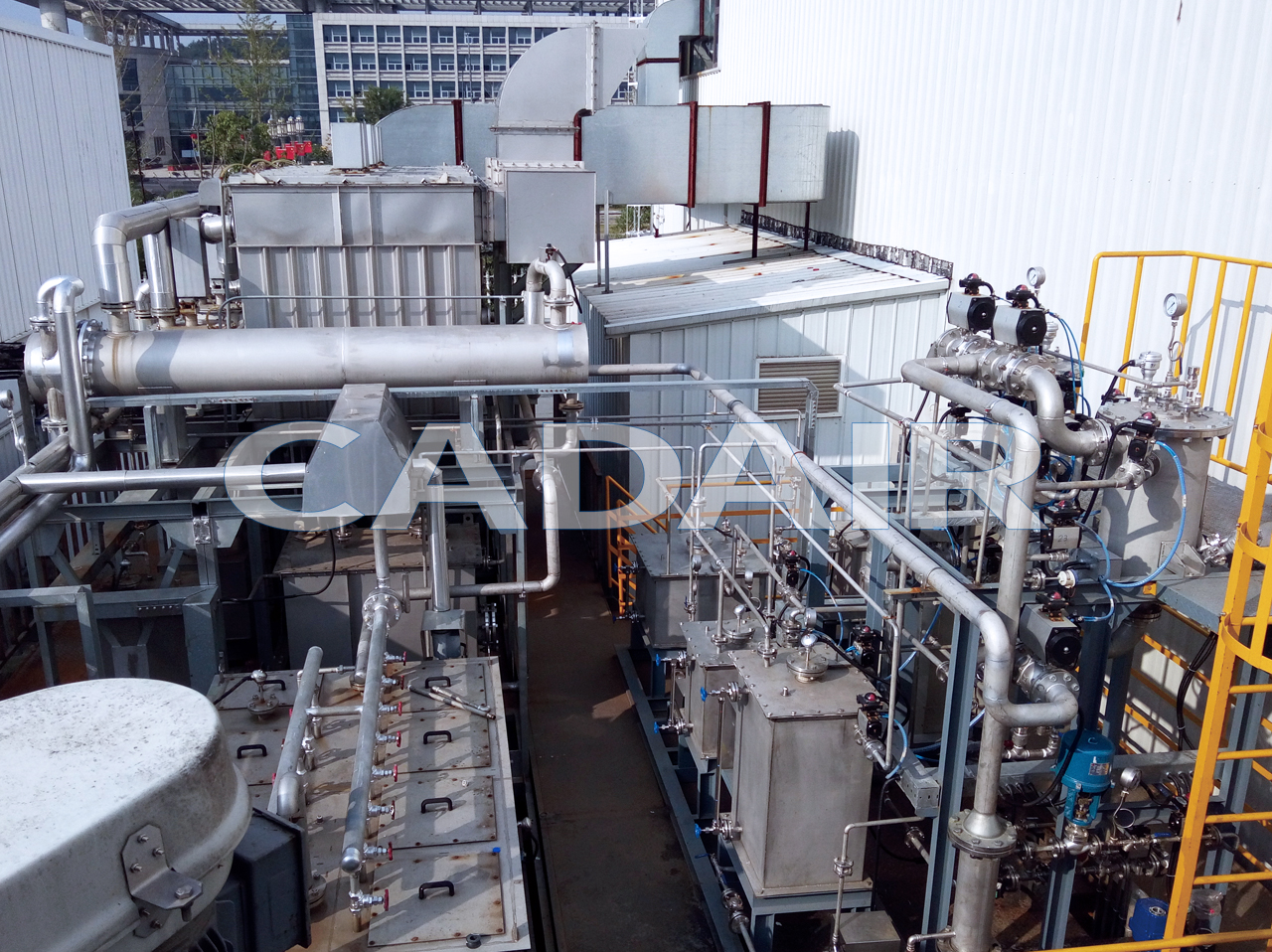
client focused purpose built waste gas treatment equipment for plants?
Kicking off
VOCs challenge ecological balance (Chemicals) influencing human health and environment. Established scrubbing technologies call for abundant energy resources and yield dangerous byproducts. Zeolite cycle devices furnish natural substitutes, offering effective VOC adsorption across gaseous phases. Such compounds include large surface zones with distinct cavities promoting outstanding VOC binding.
- Moreover, zeolite spinning devices regenerate, decreasing natural harm and outlays.
- Hence, zeolite turntable technology spreads in diverse production contexts, including manufacturing effluent regulation, interior air detoxification, and effluent processing.
Utilization of zeolite rotating tools indicates an important advancement in support of green VOC extraction, offering environmental plus financial benefits.
Thermal Regenerative Oxidizers: High-Performance Air Treatment
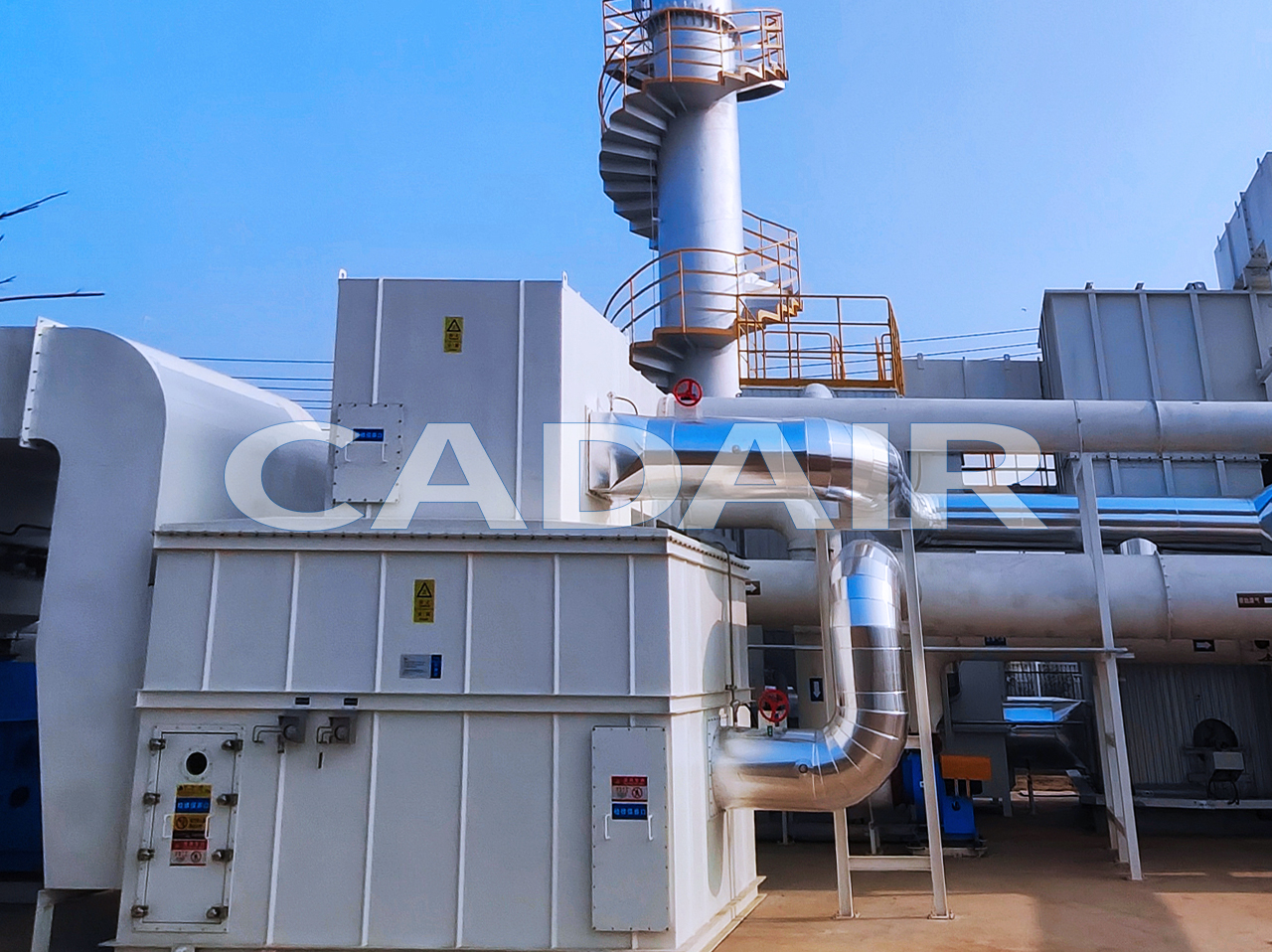
Regenerative thermal oxidizers deliver cutting-edge air solutions. These modules administer heated chemical conversion of fouled vapors at elevated heat levels, entirely breaking down noxious agents into benign leftovers. Its closed-loop nature ensures power efficiency. Such oxidizers efficiently remove VOCs, particulates, and airborne toxins. Employed within manufacturing, therapeutic, and water cleansing enterprises.Gains represent refined air standards, less environmental footprint, and cost benefits. Furthermore, space-saving build and low maintenance prove them usable.
Catalyst-Driven Oxidation: Pollution Control Methods
Factory operations generate noxious vapors. Catalytic breakdown circuits lessen environmental threats. Catalysis transforms dangerous elements into safer residues. Catalytic agents boost reaction speed with less power input.
Range of catalysts match selective requirements, including precious metals such as platinum and palladium. Selecting suitable catalysts critical for boosting breakdown. Catalytic unit arrangement facilitates pollutant surface contact to heighten oxidation output.
Catalytic oxidation technologies surpass old methods in accuracy. They process designated pollutants maintaining gas integrity. Additionally, they operate at lower temperatures reducing energy costs. Ongoing developments improve catalytic pollution management facilitating cleaner processes and healthier environments.
Optimizing Regenerative Catalytic Oxidizer Output
Achieving peak performance demands attention to various factors. Selection of suitable catalysts is crucial. Optimization of parameters like temperature and residence time improves performance. Surveillance and appraisal approaches support system health. Timely upkeep and examinations support endurance of the system and function.
Zeolite Effects on Thermal Oxidizers
RTOs play crucial roles controlling VOC emissions. Zeolite compositions supply vital contributions via adsorption and catalyst functionality. Unique VOC adsorption intensifies oxidation outcomes. Moreover, zeolite catalysts speed chemical degradation cutting heat consumption and maximizing performance.
- Accordingly, embedding zeolites boosts emission purification, economic fuel use, and green impact.
Examining Zeolitic Substances Versus Conventional Catalytic Materials
New catalytic technology progress encouraged analytical comparisons of man-made zeolitic matrices compared to traditional catalytic compounds. The inquiry evaluates catalyst potentials, specificity, temperature capacity, and cost-effectiveness. Finalizing by appraising synthetic zeolite performance in VOC conversion by RTOs. This benefits enhanced and responsible pollution abatement systems.
- Highly porous crystalline zeolite frameworks with vast interface optimize catalysis.
- Conventional catalytic agents mainly oxide-based show drawbacks in efficiency and specificity.
Complementarily, examinations inspect temperature conditions, duration periods, and feed components governing zeolite and classical catalysts. This comprehensive approach aids optimization of RTO catalyst selection and operation to maximize VOC removal and minimize energy use.
Computational Simulations for Catalytic Oxidizer Systems
Advanced catalytic oxidation units represent complex apparatus pollution control equipment for gaseous contaminant cleansing. They perform catalytic conversions that detoxify substances generating heat aftermath. System complications require effective simulations fostering adjustment and development. Computer simulations support projecting essential operating parameters across diverse setups. Furthermore, these simulations uncover bottlenecks and direct improvements producing enhanced regenerative catalytic oxidizers.Contrasting Thermal and Catalytic Oxidation: Choosing Best Approach
Selecting suitable oxidation methods involves multifaceted evaluations. Thermal or catalytic oxidative technologies provide contrasting merits and compromises. Thermal oxidation mandates high temperature inducing chemistry. Catalysis-driven oxidation promotes reactions at moderate thermal settings. Pick differs based on efficacy, cost-effectiveness, and chemical types.
- Hot oxidation usually results in better pollutant transformation but with high energy consumption
- Catalytic oxidation runs cooler reducing operational expenditure and emissions
Comprehensively analyzing operational demands guides right technology choices. Consulting industry experts helps optimize decisions to balance performance and sustainability.
Zeolite Rotor Air Pollutant Capture Technology
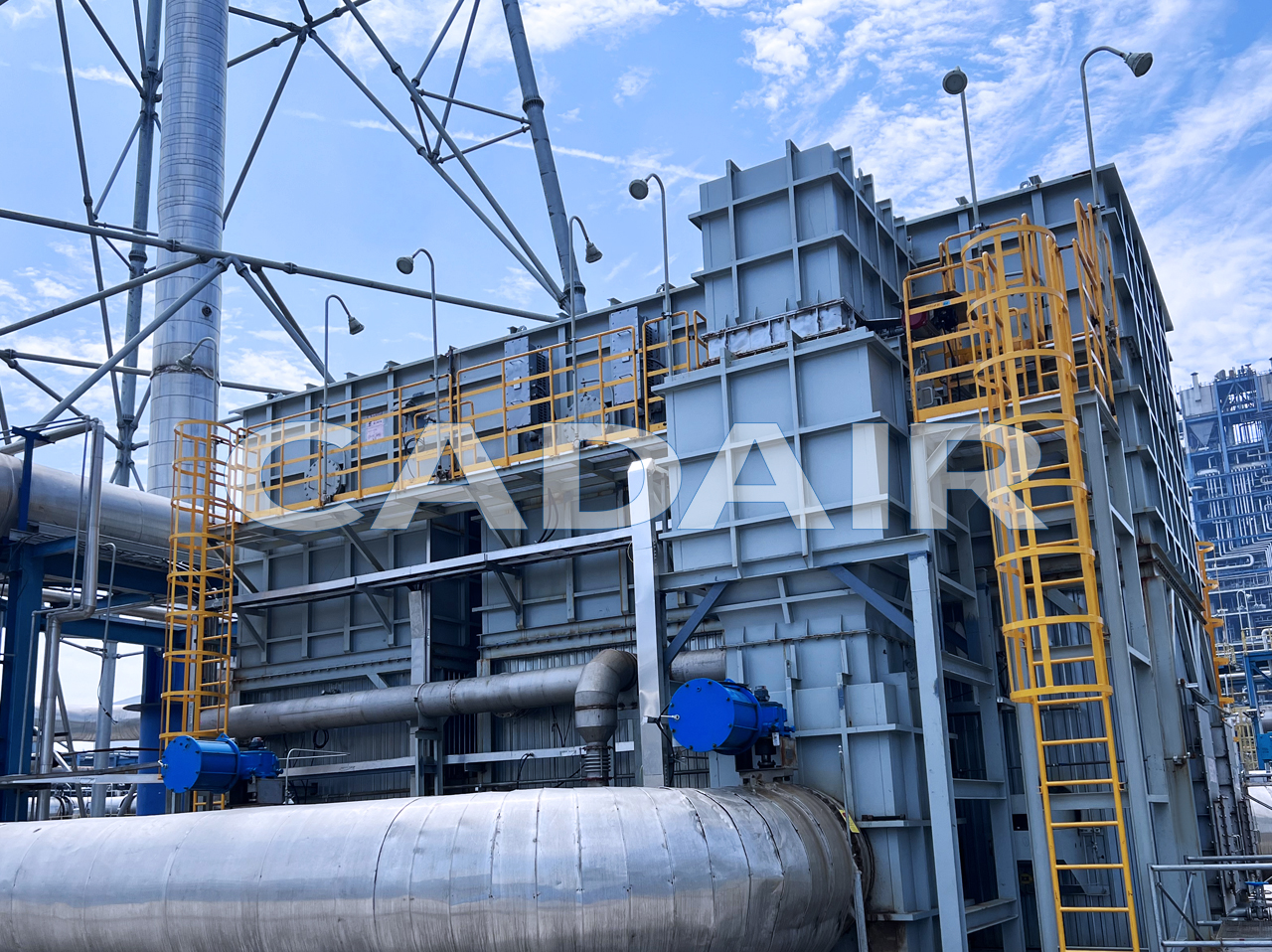
Zeolite rotor technology emerges as promising for emission reduction across commercial and motor vehicle fields. Built of crystalline porous frameworks, rotors absorb pollutants via contact-based, chemical, or electrostatic forces. The rotating action ensures continuous, efficient emission control. Various zeolite forms adjust in targeting carbon monoxide, nitrogen oxides, and volatile chemicals, making this technology tailorable, elastic, and multipurpose for multiple environment-related obstacles.
- Moreover, zeolite rotary systems supply unprecedented edges over ordinary emission strategies, including:
- Lower energy usage.
- Condensed format.
- Excellent air cleaning.
Persistent research and method refinement drive enhancement of zeolite rotor technology, facilitating sustainable adoption industry-wide.
Notable Regenerative Oxidizer Use Cases
Within the expanding oxidation domain, regenerative oxidizers confirm their influential and reliable capabilities. Their aptitude for converting waste gases into beneficial resources gains growing esteem.
- An important instance involves regenerative oxidizer lowering major toxins in a production plant achieving great contamination decrease and demonstrating environmental benefit potential.
- Further example captures regenerative oxidizers employed in power plants converting biomass into energy enabling efficient and environment-friendly production of fuel from agricultural residues offering renewable alternative to coal and oil.
These case reports showcase regenerative oxidizer adaptability and reliable function across industries. Unceasing improvements expect influential technological integration for this promising technology in upcoming years.
Progressing Air Treatment: Zeolites in Regenerative Technologies
Confronted with increasing global pollution risks, innovative methods gain priority. Key advancements include integrated zeolite and recyclable system applications. Zeolites, valued for remarkable adsorption and tunable pores, efficiently trap pollutants from exhaust. Combined with reusable frameworks, they facilitate ongoing pollutant extraction and recycling reducing refuse and enhancing green impact. This combination provides powerful techniques tackling multiple contamination problems covering plant outputs, automotive fumes, and interior air conditioning. In addition, on-going innovation develops zeolite synthesis and recyclable technologies, fostering enhanced and adaptable air cleaning frameworks.
- Next-Generation Zeolite Frameworks
- Renewable System Refinement
- Estimated Contributions Toward Pollution Control