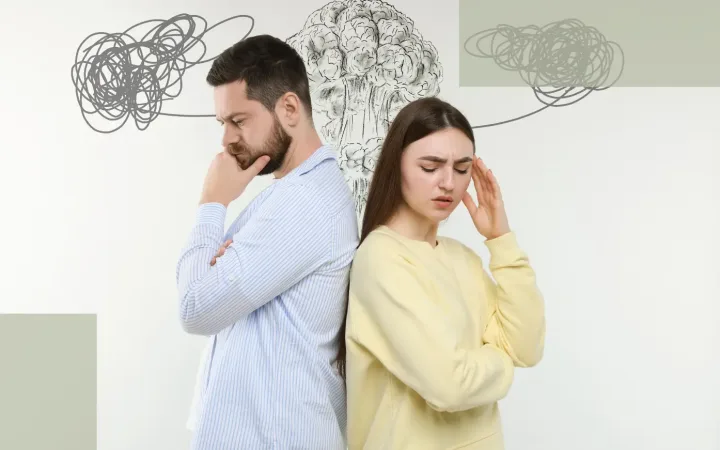
Complete strategies addressing focused treatments addressing postnatal hair fall?
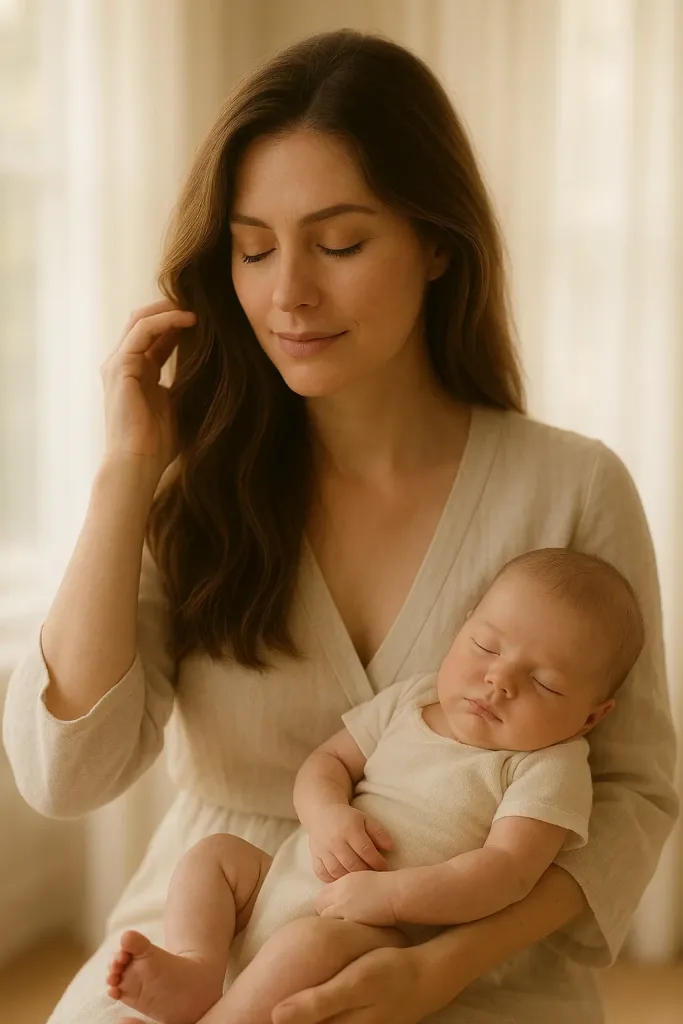
Introducing an in-depth overview
Postnatal Hair Loss Explained
Postpartum hair loss is a widespread condition experienced by numerous new mothers|The hormonal upswing in pregnancy promotes heightened hair proliferation|After childbirth, a sharp decline in hormone levels triggers notable hair shedding|The shedding phase usually subsides within months after childbirth|Various determinants like family history, emotional stress, nutrient insufficiency, and illness affect hair loss postpartum|Medical guidance is beneficial for managing troubling postpartum hair loss|Doctors provide treatment plans and guidance to stimulate hair recovery
Assessing Postpartum Hair Shedding Timing
Women often face hair loss after delivery because of sudden hormonal changes|Hair shedding intensity is highest shortly after delivery, diminishing with time|Hair growth cycles usually return to baseline within a year postpartum|If hair loss prolongs or escalates abnormally, seek medical advice immediately|Indicators of serious hair loss after pregnancy hair conditions encompass patchy bald areas and scalp inflammation|
- Sharp hair shedding unrelated to typical postpartum stages
- Marked regions of scalp devoid of hair
- Severe skin irritation accompanied by intense itching
Recovering Hair Strength After Birth
Body changes during pregnancy often influence hair condition|Hormonal fluctuations throughout pregnancy impact hair follicle behavior|Hair fragility and reduced volume are usual postpartum challenges|Optimal nourishment supports hair recovery postpartum
Maintain a well-balanced meal plan loaded with hair-supportive nutrients|Dietary items such as fish, greens, eggs, and nuts enhance hair strength|Post-pregnancy vitamins contribute positively to hair recovery|Limiting psychological strain safeguards hair growth health|Getting proper sleep supports active hair growth cycles|Hair restoration demands patience and ongoing attention|Sticking to recovery steps enhances hair regeneration chances
Approaches to Postpartum Hair Loss Treatment
Postnatal hormonal shifts result in prevalent hair loss among mothers|Short-lived hair thinning can be difficult but is expected|Various therapies are available to encourage hair regrowth|Focusing on iron and biotin-rich foods enhances hair growth|Scalp manipulation via massage improves nutrient delivery to follicles|Consult your healthcare provider about topical or oral treatments suitable for you|Medications offered often feature minoxidil alongside finasteride|Patience and consistent treatment are crucial for positive outcomes|Prompt professional advice is essential if hair loss concerns persist
Fighting Hair Loss After Pregnancy
Experiencing diminished hair density after birth is common and can be distressing|Numerous treatments offer relief from hair fragility and encourage regrowth|A key step involves ensuring adequate intake of vitamins and protein-rich foods|Minimizing stress prevents aggravation of hair loss conditions|Adopting gentle washing habits helps maintain hair strength|Refraining from tight hair styles protects hair follicle health|Physicians provide insights into persistent hair thinning solutions|Custom solutions often combine topical applications, vitamins, or clinical treatments
Comprehending Postpartum Hair Shedding Mechanism
Birth induces hormonal changes leading to telogen effluvium in mothers|Substantial numbers of follicles become dormant triggering hair loss|Although concerning, telogen effluvium typically resolves naturally|Eventually, normal hair follicles cycling restarts promoting regrowth|Optimal hair growth relies on nutritious diets and adequate sleep|Reducing tension through mindfulness or relaxation aids hair restoration|Allowing time and caring for oneself supports gradual hair repair|Seek medical advice if hair loss is prolonged or severe
Understanding Hormonal Roles in Hair Loss
Postpartum period reveals distinct hair volume fluctuations in mothers|Hair loss after birth is a frequent experience lasting several months|The emotional burden of hair loss often eases as hair returns|The core cause of postpartum hair loss is the steep decline in estrogen|Higher estrogen concentration during pregnancy maintains hair growth|Post-delivery estrogen drops cause many follicles to enter resting phase|The combined fluctuations weaken follicle stability causing thinning|These hormonal variations ultimately cause thinning and loss postpartum
Counsel on Managing Postpartum Hair Loss
Hair shedding after childbirth is common among fresh mothers|Implementing steps minimizes the impact of hair shedding|Start by consuming diets rich in protein, iron, and vitamins|Adopt mindfulness and relaxation practices for stress control|Prioritize restful nights to facilitate hair follicle regeneration|Adopt sulfate-free shampoos and soft conditioners|Refrain from tight styling that can cause hair breakage|Consult healthcare providers if hair shedding is excessive
Specialist Advice for New Mothers’ Hair Health
Hair characteristics often alter following childbirth hormones|Postnatal hair modifications fall within standard adjustment processes|Keeping locks healthy depends on thoughtful hair care practices|Key tips include consuming a nutrient-rich diet|Getting enough rest is essential for hair regeneration|Managing stress impacts hair condition positively|Handling hair softly prevents breakage and supports growth|Using specialized shampoos designed for postpartum hair|Understanding that hair recovery is a slow process
Regaining Self-Esteem Following Hair Thinning Post-Childbirth
Carrying a child involves changes including hair shedding|Postnatal hormone shifts commonly lead to hair loss|This biological process can nonetheless affect emotional wellbeing|Stay patient and kind to yourself during this period|Focus on healthy lifestyle choices like good nutrition|Consult specialists such as dermatologists or trichologists|Consider treatment modalities like oral vitamins and therapies|Reach out to communities for encouragement and shared experiences|With patience and care, hair health and confidence will rebound
Non-Medical Remedies to Support Hair Growth After Delivery
Many women encounter hair fall during the postnatal period|Several natural treatments can help reduce and manage hair loss|Enhancing diet with vital components supports hair follicles|Using gentle scalp massages encourages follicle nourishment|Tools like soft massage combs facilitate scalp blood flow|Traditional botanicals like ginger and aloe vera assist hair growth|Consult doctors before using natural remedies especially when nursing}