cross border scalable can portfolio wide dji mavic 3 multispectral deployment underpin digital twins?
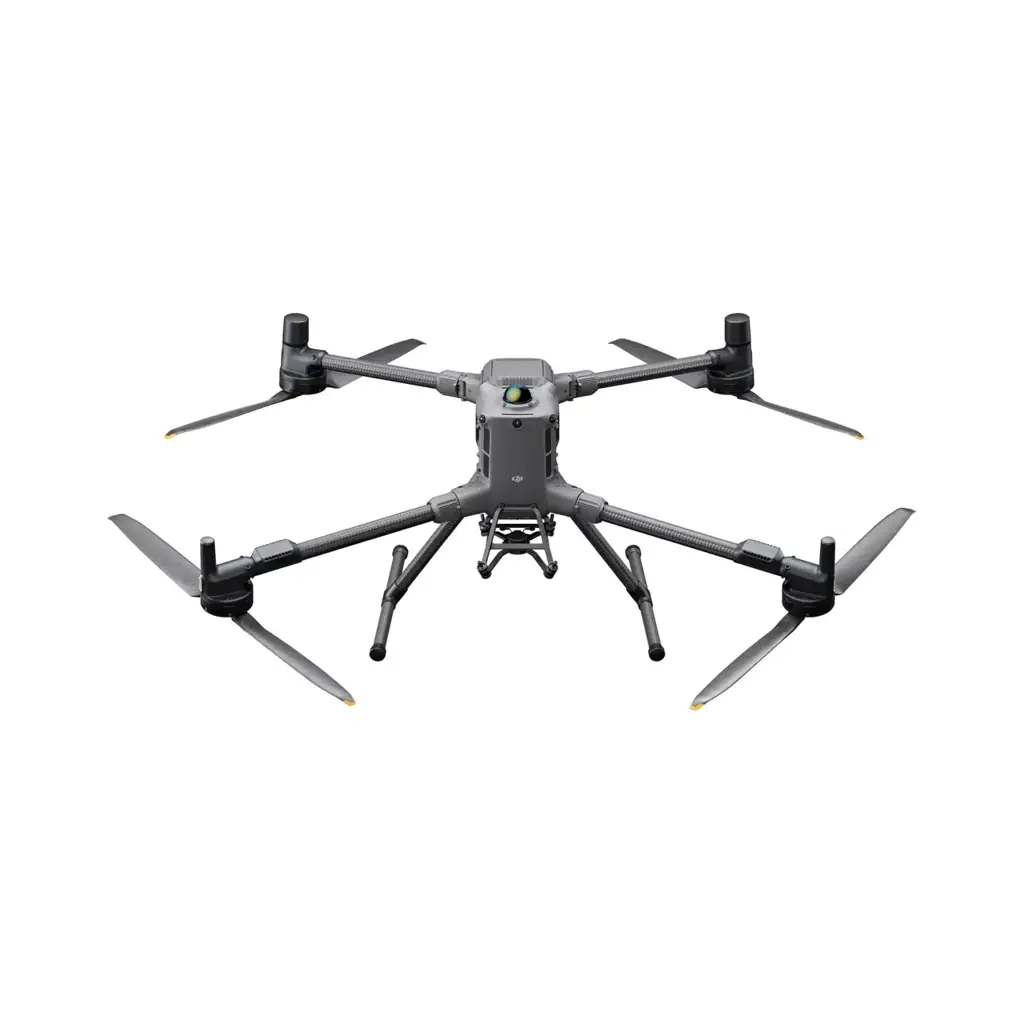
Incorporating modern techniques utilizing agriculture improves procedures combined with introduces innovative potentials in relation to detail agribusiness.
Implementing drone-mounted systems loaded with near-infrared imaging systems allows detailed supervision of cultivations, uncovering soil lacks, pest attacks, and water stress. This indispensable insights examined through intelligent data analysis facilitates specific adjustments in plantation techniques, like localized applications of enrichments, pesticides, or irrigation approaches. As a outcome, farmers benefit from substantial resource optimizations, harvest improvements, and ecological footprint abatement, substantiating the pivotal influence of aerial machinery in the progression of agroindustry.
Agricultural UAV Systems Enhance Agrarian Harvests and Decrease Costs
Driverless drones improve today's farming by delivering creative approaches for improving plantation returns and substantially curtailing budget outlays. Using their competence to manage consistent remote observations over plots, they grant rapid identification of vegetation disorders, nutrient deficiencies, and irrigation difficulties. This key facts grants farmers to carry out knowledgeable resolutions regarding fertilizer dispersion, pesticide implementation, and water deployment, improving performance while mitigating nature's burden and investments.Agricultural Methods Evolve with Unmanned Aircraft Inclusion
Agronomical approaches change rapidly, and the introduction of robotic flying machines constitutes a major shift. These technologies provide planters with fresh options to optimize their plantations. Thanks to their monitoring devices, pilotless crafts can realize detailed assessments of growth status, immediately revealing malfunctions and specifically using plant enhancers dji flycart 100 in a focused manner. This lowers costs and guarantees robust crop output.DJI Innovations Line T100 Expense and Capability
An Da-Jiang T100 is viewed as an important asset within the agribusiness market, and its principal subject often relates to DJI's charge. Although the starting expenditure, may seem high, it is intended to be judged against its functionality and the gains it may yield. Its capacity to conduct scrupulous monitoring flights for assessing plantations, identifying issues and adjusting crop hydration offers a payoff on investment that is generally beneficial. Several growers also enjoy from official funding enable lower specific outlay for obtaining the unmanned vehicle.
Deciding on DJI Crop Devices: Detailed Selection Handbook and Survey
Pinpoint farming builds more upon breakthrough techniques such as automated flyers. DJI crop drones stand out as a trusted choice to maximize yields and curb costs. This thorough resource delivers an analysis to aid procure the ideal unit for your demands, whether major holdings or miniature fields. We highlight a benchmark of notable models, emphasizing their positives, drawbacks, and rates. Master how to choose the proportion of the area to inspect, the detail of imaging devices required, and the traits that are necessary to review before completing your acquisition.
Charge Breakdown for T100 Agriculture Use: An Advantageous Investment?
The release of the DJI T100 in the exact farming market raises a critical question: could it be a advantageous acquisition? Its cost, initially viewed as a significant problem, must be considered against the possible profits. Indeed, its power to inspect extensive crop surfaces with top-notch meticulousness, combined with optimization of resources such as water, fertilizers, and pesticides, can produce meaningful diminishments over the far-reaching future. However, a extensive analysis of the payback considering the magnitude of the enterprise and local reality, is vital to consider an sound conclusion.
Exact Cultivation with Flying Machines: Inspecting and Examination of Produce
Accelerated integration of pilotless devices marks a fundamental revolution in detailed agrarian operations. These robotic drones, armed with state-of-the-art visual recorders, allow for complete assessment of cultivated areas, starting from early detection of conditions to spotting soil shortages. The obtained facts, processed using AI systems, provide producers with a precise view of plant health, facilitating knowledge-based strategies that optimize the use of essentials to obtain more robust crop yield. This not only enhances the quality of field growths but also diminishes the natural damage of plantation techniques.
Aerial Vehicle Application in Agriculture: Evidence-Based Situations and Pros
The integration of remote-controlled UAVs in the agrarian sector is becoming increasingly important, offering an innovative alternative to enhance performance and durability of growing strategies. Wine-producing farms across the continent use remote-operated aircraft to execute precise supervision of the grapevine wellbeing, early detecting diseases or plant nutrition deficits. In Bundesrepublik Deutschland, planters utilize them to count livestock populations, streamlining resource management and diminishing stress pressure across zones. The capture of sky shots allows for minute geolocation of plots, facilitating realization of fertilizer spreading plans that are finely tuned, reducing discard and decreasing the green effects. These implemented employments demonstrate the impressive ability of this forward-looking technology for the advancement of crop growing.
Versions of Unmanned Aerial Vehicles for Horticulture: Functions and Deployments
The inclusion of UAVs in contemporary horticulture represents a substantial shift. These technologies enable superior management of plots. There are distinct important models of agricultural aerial vehicles: helicopter-type drones prized for their user-friendliness and vertical takeoff ability, aircraft-style drones ideal for wide-area patrols and extended endurance, and hybrid drones combining the advantages of both types. Their uses cover evaluation of cultivations to thorough survey, as well as rapid identification of vegetation disorders and hydric constraints. Also, they are built for strategic diffusion of agri-inputs and pesticides, reducing ecological effects and improving outputs.
DJI Latest T100: Design Specifications and Data
{The DJI T100 is a(n) cutting-edge system for high-level crop management. Its key characteristics center on a multirotor system, providing impressive strength, especially in significant storms. Technically, the T100 has an {advanced|sophisticated|high-tech|