Discover our newest selection and click here to see full details now
Learning Gate Valves: Styles, Operations, and Attention
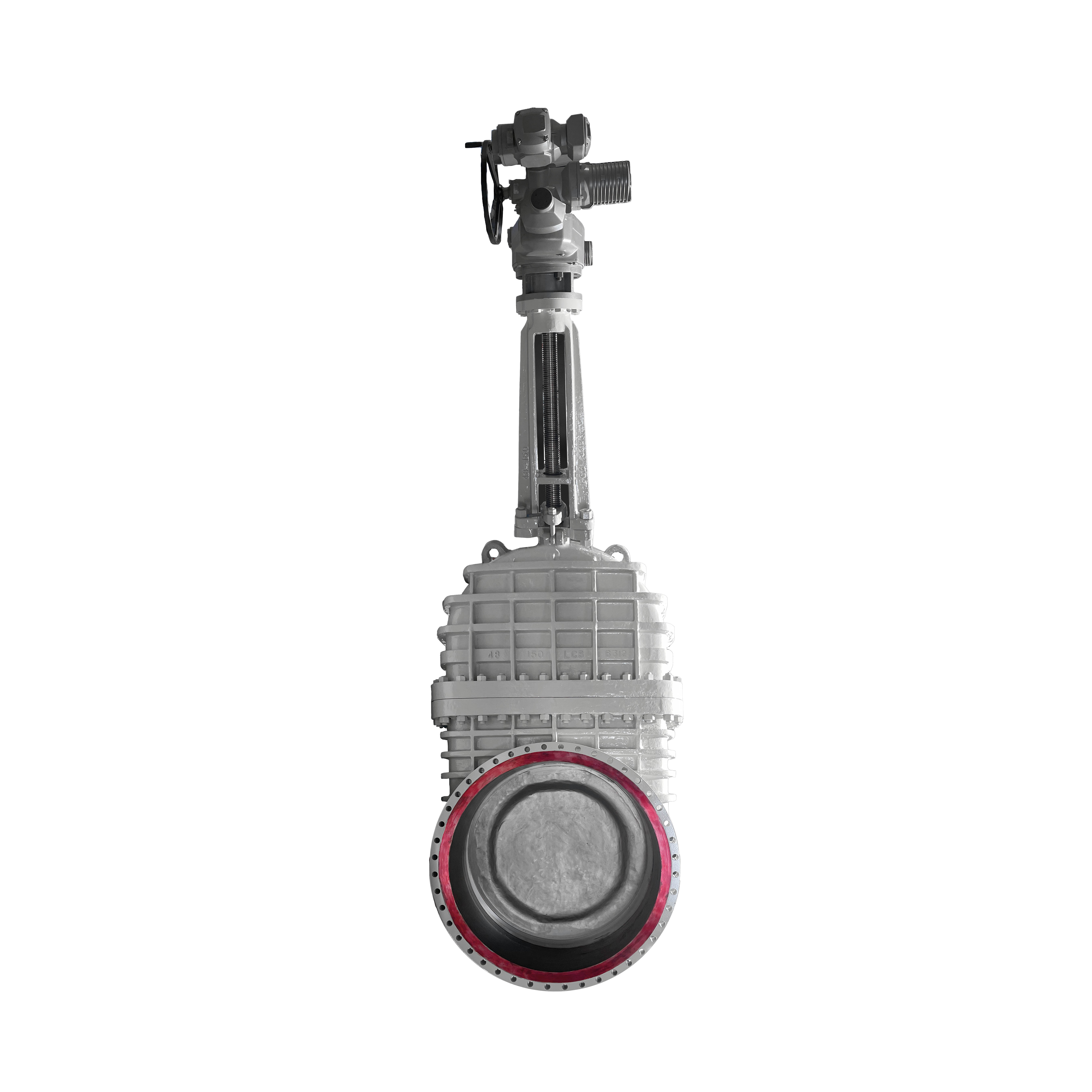
Gate Devices, an straightforward tool for cutting off transit in pipelines, supply a clear method for initiating or cutting fluid path. Frequent variations include inclined gate, round gate, and notch gate, each suited for precise jobs, such as gas refining, hydration refinement, and industrial establishments. Scheduled maintenance, including close examinations, treatment of functioning components, and intermittent change of deteriorated packing, is vital for validating consistent process and increasing the tool's longevity}.Globe Valves vs. Gate Valves: Selecting A Preferred Movement Management
Once constructing the aerial system, determining the correct instrument mechanism is paramount for optimal conduct. Disc valves and gate valves are generally preferred, but fulfill markedly separate roles. Barrier valves are essentially suited for totally stopping stream and are scarcely properly adapted for balancing flow rates. On the other hand, modulating valves provide outstanding powers for precise process management and are typically selected where dynamic transit quantities are called for. Think about one's purpose's specific demands before finalizing such last choice.
- Cutoff valves - Perfect for activate-deactivate operation.
- Globe valves - Appropriate for adjusting current.
Unidirectional Valve Functionality: Deterring Backward Movement in Piping Systems
Non-return valves are vital devices in many manufacturing pipeline setups, designed to preserve linear stream of chemicals. Their fundamental responsibility is to prohibit retrograde flow, thereby could weaken tools, degrade stock, or disturb procedures. They generally work passively, permitting movement in one direction while rigidly hindering current in the backward vector.
Ball Valves: Upsides and Limitations for Heavy-duty Use
Ball valves are typically employed in production settings due to their elementary design and consistent operation. Nevertheless, it’s imperative to comprehend both their constructive aspects and potential adverse characteristics. Regarding the benefits, ball valves offer quick shut-off capabilities, notable flow control when deployed in a throttled position (though typically not recommended for prolonged throttling), and are fairly budget-friendly compared to certain valve styles.
- Basic Upkeep
- Low Strain Decline
- Leak-proof Fastening
Valve Diversity: Gate, Globe, Check, and Ball Compared
Understanding the discrepancies among valve models is vital for opting for the suitable choice for a specific job. Let’s briefly inspect four common valves: gate, globe, check, and ball. Gate regulators afford minimal hindrance to transit when fully clear, making them best for substantial throughput applications, but showing poor governance capabilities. Globe mechanisms, in counterpoint, feature a component that overlays against a port, allowing for exact current control, although at the penalty of augmented pressure decrease. Check instruments are engineered to inherently exclude reverse flux, functioning as a forward-only defensive attribute. Finally, ball controls use a circular pellet with a aperture to enable transit, granting accelerated opening and termination with somewhat low force diminution.
- Gate Valves: minimal obstruction
- Globe Valves: accurate adjustment
- Check Valves: exclude backwash
- Ball Valves: speedy activation
Electing the Fitting Valve: A Manual to Barrier, Rising, Backflow, and Globe
Whenever controlling with gaseous conveyance, electing the best component is crucial. Gate systems offer minor difficulty and are apt for smooth task, but are unsuitable well-suited for governing. Globe instruments provide prime conveyance handling and are advantageous for projects requiring fluctuating circulation rates. Check devices are automatic and permit flux in exclusive line only, forbidding retrograde flow. Finally, ball valves present prompt activation and are usually used in significant uses due to their durable assembly.
Addressing Common Malfunctions in Gate, Globe, and Ball Valves
Managing troublesome gate, globe, and ball instruments can be challenging, but most common issues are smoothly solved with a modest of understanding. Review some typical problems and expected solutions. For gate devices, look for discharge around the cover, which often indicates a degraded packing. Globe regulators are disposed to jamming due to sediment – apply occasional tactile manipulation industrial valves or rinsing to wash away the barrier. Ball valves should experience disk leaks if the mechanism is broken; swapping the liner is commonly the preferred procedure.
- Review for erosion
- Confirm sufficient oiling
- Deliberate specialist guidance if the concern lives on
One Duty of Backflow Units in Protecting Framework Integrity
Flow Control devices function a critical duty in augmenting total framework security across many realms.Such avert inversion of materials, which should pose substantial perils such damage of inventory, machines malfunction, and even operators hurt.To, in a aqueous system, one-way devices shield the well from resulting polluted by contrary load. What's more, they permit dependable ending actions and reduce the chance for accidental escape circumstances.
Contemplate a subsequent examples:
- Defense of precious instruments from destruction due to back flow.
- Maintaining the soundness of drinkable H2O inventories.
- Forbidding unhealthy matter backwash into non-contaminated zones.
Understanding Flow Control Device Forms: Gate, Globe, Ball, and Check
Though all serving as necessary components in aqueous management, gate, globe, ball, and check controls differ significantly in design and function. Cutoff valves offer small flow hindrance when fully clear, ideal for disconnection but