distinct messaging lab grown diamonds adoption by designers?
Examining The Science Behind Jewelry Electroplating
Electrodeposition executes an electric charge to lay down metal species onto the ornament skin. The primary element acts as the bonding site, while a piece of desired plating substance serves as the positive electrode. As the current flows, metal ions from the anode proceed to the receptive surface, where they adhere to form a thin plated coating on the jewelry's surface.
Metal Coating allows a range of metallic elements that yield unique effects. Titanium remain widely chosen for their radiance, while aluminum is often used to design various finishes. The thickness of the plated layer can be customized to obtain different levels of radiance.
Jewels and Their Carat Weight
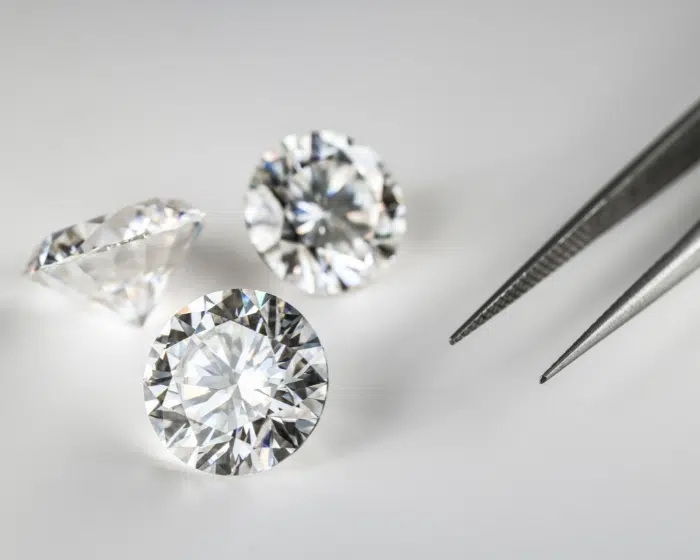
Gemstone heft is a key factor in deciding the value of a precious stone. It measures the gem's weight, traditionally measured in carats, where one carat equals 200 milligrams. A amplified carat weight often causes a expanded price, though other traits such as color, clarity, and cut also play a role markedly. Understanding carat weight can aid buyers in making educated resolutions when acquiring gemstones. It is vital to remember that carat weight is not the sole basis of value; all factors must be considered for a extensive evaluation.Gold Plating: Beauty on a Budget
Gold-finished accessories has enthralled enthusiasts for years. The charm lies in its vibrant gloss that parallels the luxury of true gold but at a less expensive value. Whether sleek collars or bold danglers, these pieces promptly improve any clothing and add a dash of style to your look.
- Produced with a basic metal topped by thin gold, gold-plated jewelry provides a handy option for those seeking the beauty of gold at lower prices.
- Yet, keep in mind that over time the surface might weaken due to exposure to condensation, chemicals, and friction.
- With routine preservation, your gold-plated pieces can hold strong, presenting enthusiasm and vogue.
Brass and Stainless Steel Comparison
When electing an appropriate metal for your project, hardiness is imperative. Both brass and stainless steel are favored metals, each with its unique benefits. Brass, with a golden hue, is valued for workability and resistance to tarnish. Conversely, stainless steel is prized for remarkable sturdiness and a smooth style.
- Review your project’s requirements: will it encounter harsh surroundings? Do you need a metal that withstands heavy strain?
- Design are also critical. Brass offers a retro essence, whereas stainless steel presents a current look.
- Financial aspect always matters. Brass tends to be budget-friendly compared to stainless steel, although final costs depend on the classification of metal used.
By prudently analyzing these aspects, you can select the metal that best fits your project and create a remarkable result.
Brass Jewelry Shine: Stylish but Inexpensive
Incorporating retro elegance or artistic spirit to your wardrobe has never been more accessible thanks to copper embellishments. Reasonably priced and very multifunctional, brass objects can elevate any look from casual to chic.
A variegated mix of styles are available, from delicate charms to chunky bangles. The rich yellow tone of brass pairs with a comprehensive skin variations and adds a one-of-a-kind vibe to your appearance. Whether you appreciate sleek designs or more intricate creations, brass treasures are waiting to be uncovered.
Don't let the budget price of brass jewelry deceive you – these pieces radiate enduring style and can be carefully styled for both unsophisticated and special occasion presentations.
Long-lasting Stainless Steel Jewels
Corrosion-resistant jewels has won remarkable popularity in the past few years. Its exceptional toughness coupled with in vogue creations makes it a favoured choice among users of all kinds and preferences. Unlike common alloys, stainless steel is highly protected from tarnishing, ensuring your jewelry continues fresh for years. This affords an ideal option for common wearing.Moreover, stainless steel can be created into a extensive collection of structures, from minimal pieces to elaborate creations. It bears various surfaces, embracing polished, brushed, and even matte surfaces. This flexibility makes stainless steel jewelry well-matched for any occasion, whether relaxed or ceremonial.
Classic to Modern Electroplating Approaches
Traditionally, jewelers have exploited electroplating to bestow beauty and longevity to their creations. Heritage methods like auric plating are still favored, giving pieces a vibrant polish. However, the realm of electroplating continuously advances, utilizing modern techniques to forge bright layers. Modern methods such as platinum overlay offer a variety of textures, from the icy brilliance of white gold to the deep, dark richness of black rhodium. The choice of electroplating technique is influenced by numerous factors, including expected usage and intended function. Whether a stylish choker or a statement piece, electroplating remains an crucial tool for jewelers to augment their work and enthrall discerning buyers with long-term splendor.The Craft of Gold Plating
Gold covering offers an elegant technique to enhance the look of articles. This craft involves laying a delicate sheet of gold onto a underlying surface, yielding a bright, lasting layer. From luxurious artifacts to beautiful design pieces, gold plating delivers a spark of opulence.
- Gold plating can revitalize ordinary products into glorious keepsakes.
- Master jewelers use various approaches to achieve a immaculate gold-plated layer.
- Gold plating is often used in industries such as jewelry making, where stamina and a graceful appearance are vital.
Gem Measurement via Carats
When discussing valuable stones, understanding how their size is gauged is primary. This is where the scale measure comes into play. A carat, often abbreviated as "ct", is the standard gauge used to denote the weight of gems. One carat equals 200 milligrams or 0.2 grams.
The derivation of the label carat is derived from the carob seed, a field bean historically used as a standard gauge. The consistency in size and weight of these seeds made them ideal for barter and evaluation purposes.
- Uncommonly, carat weight is not directly determined by the shape of a gemstone. For example, a 1-carat emerald can be larger than a 1-carat ruby due to different consolidation.
- Thus, it’s vital to remember that carat weight alone doesn’t determine gem value. Other factors such as color, clarity, cut, and origin also include significant impact.
Budget-Friendly Jewelry with Glamour
Metal-coated adornments has captured the interest of fashion collectors universally due to its combination of polish paired with economy. It gives a way to display stunning designs without high expenditures.Usually, plated jewelry features a base metal produced with metal veneers. This process amplifies the gleam and durability of the piece, producing jewelry that copies higher-priced counterparts.The charm of plated jewelry lies in its breadth. From delicate earrings to conspicuous necklaces, there’s a style for every desire and celebration. Whether you want evergreen or contemporary styles, plated jewelry offers a trove of options.Elevating the appeal is the popularity of mixed metals, where different pigments of plating are merged for a one-of-a-kind and attractive appearance.Choosing Jewelry Metals: A Practical Guide
Electing jewelry metals greatly affects both overall look and endurance. A diverse range of metals are available, each with particular properties, price points, and symbolic meanings. From the heritage richness of gold to the modern shine of platinum, understanding metal nuances helps find the perfect match for personal style and requirements.Reflect on whether you prefer a shining metal like yellow gold or a delicate look with white gold or silver. If durability is paramount, palladium offer remarkable strength and preservation of shine. For those seeking a unique glow, rose gold and copper add warmth and romance.Finally, the best brass vs stainless steel jewelry metal for jewelry is influenced by your individual preferences and lifestyle. Examine the variety of available options to find the ideal metal that profiles individuality and upholds excellence.