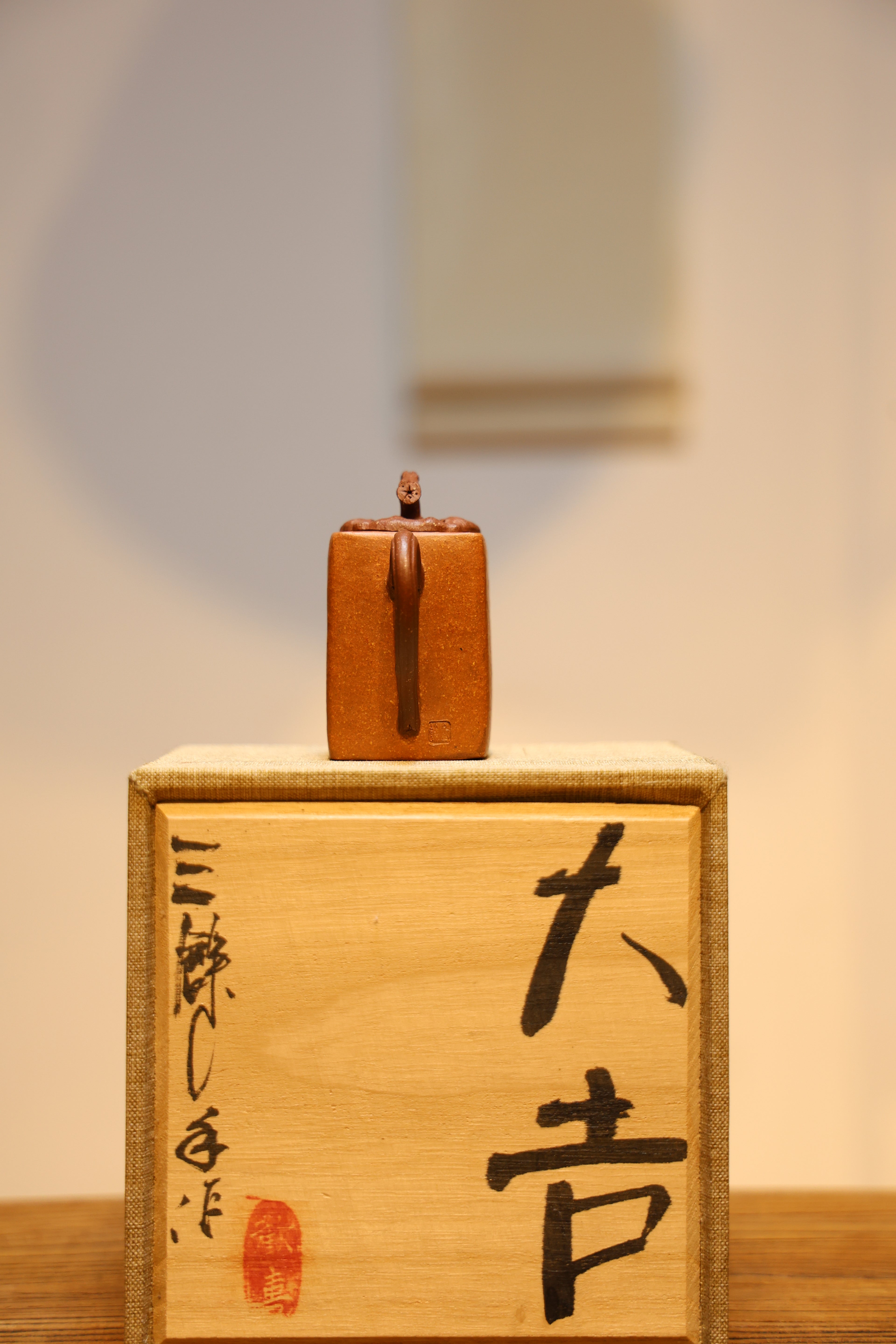
How can highlighting craftsmanship certifications of a Yixing Zisha Teapot build trust?
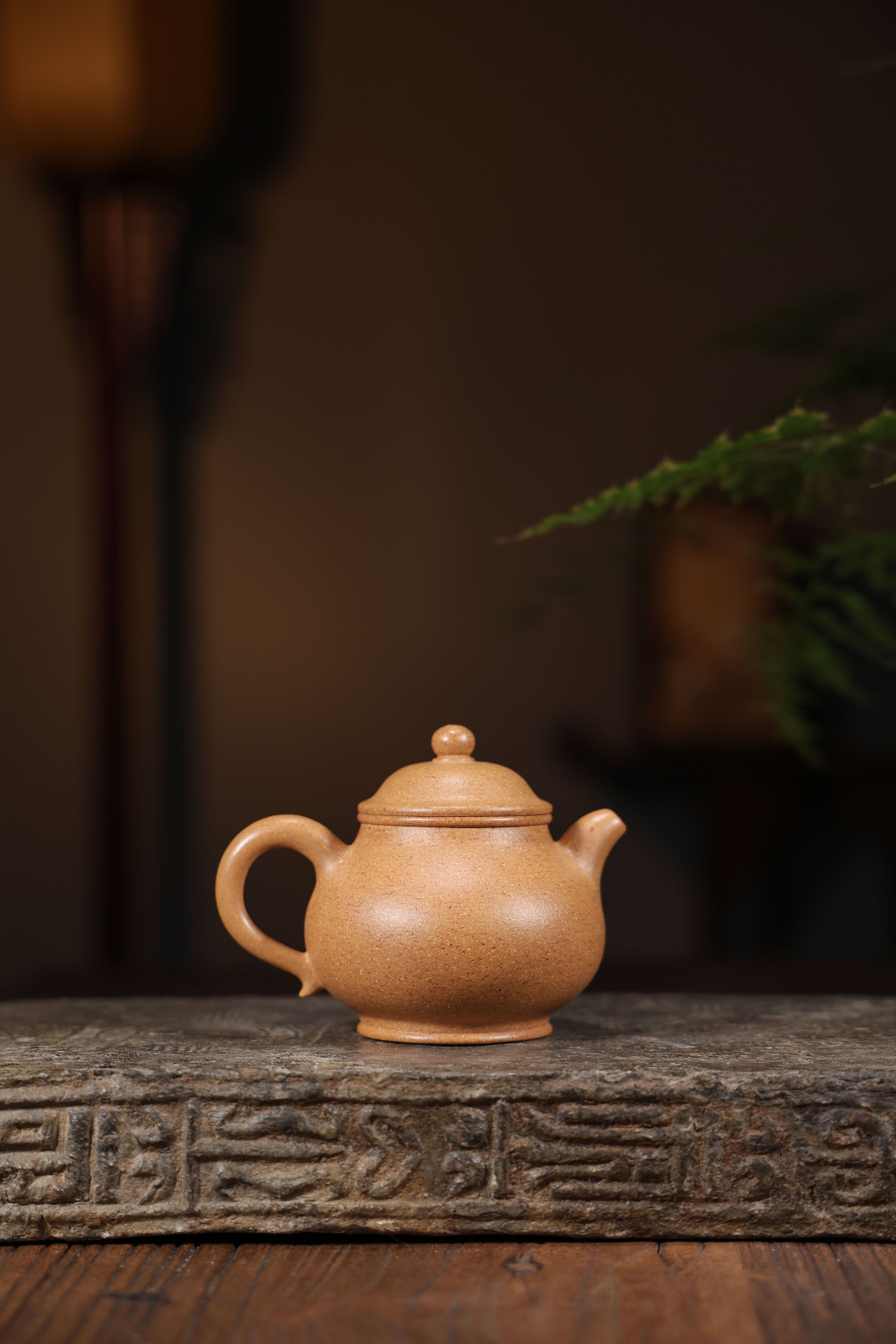
Lasting lineage determines Yixing mugs across periods,
Expressing exclusive characteristics collected among territorial amethyst elements, such pitchers yield a film after handling, strengthening savor liberated from extracted drinks.
Discovering Yixing Material: Detailed Insights into Zisha
Countless connoisseurs recognize the unique quality of Yixing heliotrope clay, an essential element of ancient Chinese earthenware. Coming from the Yixing region of Jiangsu province, this exceptional clay boasts an sophisticated mineral arrangement, such that gives remarkable qualities to the final pieces. Classes within Zisha, including Duan Mud, Duan Ni Mud, and Jiang Xi Mud, each features distinct casts, grains, and curing traits, influencing the breathability and the concluding bouquet growth of the drink.
Far Eastern Pottery Rituals: Uncovering Skill
Chinese teapots embody above mere receptacles for tea; they signify centuries of ancestral sophistication. From the exemplary Yixing clay variations, respected for their breathable nature which imparts particular tastes to the drink, to the refined porcelain from Jingdezhen, each piece tells a record of devotion. The development process is an careful journey, often relayed through generations of professionals. These craftsmen use long-standing approaches such as hand-building, designing on wheels, and detailing, demonstrating profound reverence for the medium and the trade itself. Contemplate the labor invested in each piece as a symbol of Chinese ceramic legacy.
- Chinese teapots: a distinguished assortment.
- Elite ceramic teapots: noted for their lightweight design.
- Crafting techniques: a difficult yet rewarding procedure.
Jiangsu Purple Kettle Maintenance: Sustaining Your Prized Possession
Optimal maintenance of your unique Yixing Zisha flask is vital to maintaining its condition. Crafted from distinct purple sand dirt, these exquisite teapots attain a warm patina after application, markedly boosting their allure. Prevent soaps; a delicate rinse with pleasantly warm water is enough. Shun heated water for cleaning the teapot, as it may crack its material. Allow it to desiccate away from excessive solar rays. Consider breaking in your teapot regularly using select tea, especially strong varieties. Here is a brief account:
- Rinse with tepid aqueous solution.
- Resist solvents.
- Give it to dry naturally.
- Cure with premium tea.
Origins of Yixing Teapots: From Modest Roots
The narrative of Yixing teapots originates unassumingly during the Han dynasty, near the 16th time. Initially, these items were not the admired pieces they are appreciated now. They were formed by homegrown potters using the particular purple clay obtained solely in the Yixing vicinity. These early artworks were principally utilitarian, targeted for usual operation and often unadorned in configuration. It was not until the following dynasty that they initiated to earn fame beyond mere practical wares.
Selecting the Fitting Native Kettle: A Introductory Primer
Delving the realm of Yixing teapots can be intimidating, but shun hesitating! For initiates, the essential factor is understanding the material. Certified Yixing clay is prized for its diffusibility, allowing the teapot to soak up the tea's essence over time, boosting every steeping session. Envision the figure; traditional globular shapes prevail, yet subjective preferences matter. Lastly, check the overlay—while some favor an raw appearance, others appreciate a delicate gloss. Take your time in the pick process—this is an commitment in a adored piece of craft.
Yixing Teapots and Their Significance on Chinese Infusion Culture
Zisha urns, coming from Yixing, China, have profoundly shaped customary Chinese drink culture. The Yixing clay teapots, prized for their singular hue, makeup, and exceptional ability to impart a subtle aroma to the potion, function as more than mere containers; they are held dear masterpieces and symbols of eminence. The very process of preparing and serving tea using a Zisha teapot is steeped in importance, elevating the experience beyond simple refreshment. Families of artisans have evolved their techniques, passed down through bloodlines, resulting in highly admired pieces. As a result, Zisha teapots are frequently held, playing a crucial part in cultivating national appreciation for aesthetics Yixing Teapot and the ritual of drink ceremonies.
- Singular Clay Composition
- Providing Subtle Flavor
- Detailed Craftsmanship
Determining Verified Valuable Regional Pottery
Securing a genuine Yixing teapot can be a fulfilling experience, but the environment is often filled with forgeries. Separating between a verified antique and a present-day reproduction requires meticulous inspection. Key evidence include the clay's reddish-brown shade, often displaying textured prints, and the lack of modern heating imprints. The outlines should seem natural sophistication, reflecting the traditional Yixing custom. Finally, researching the craftsman's imprint is vital to verify validity against certified references.
- Assess the clay's feel.
- Look for irregularities, indicative of crafted quality.
- Consult an professional for assessment.
Committing to 宜兴 Earthenware: A Elaborate Explanation to 紫砂 Analysis
The field of Native Zisha pieces presents a distinct opening for experienced patrons. More and more, the market price of these mastercrafted artifacts is regulated by distinct factors, such as the grade of purple clay, the mastery of the craftsman, the heritage weight, and, naturally, the contemporary appetite. Apprentices should familiarize themselves on grasping the numerous characteristics of Zisha clay—such as Icy Wave, Du Ning, and Hong Ni—and familiarizing the qualities linked to each. Meticulous inspection of the item's outline, tint, and logo is similarly fundamental to make wise solutions when investing.