How do marine salvage airbags support heavy lifting, refloating, and emergency recovery in shallow waters?
Initiating
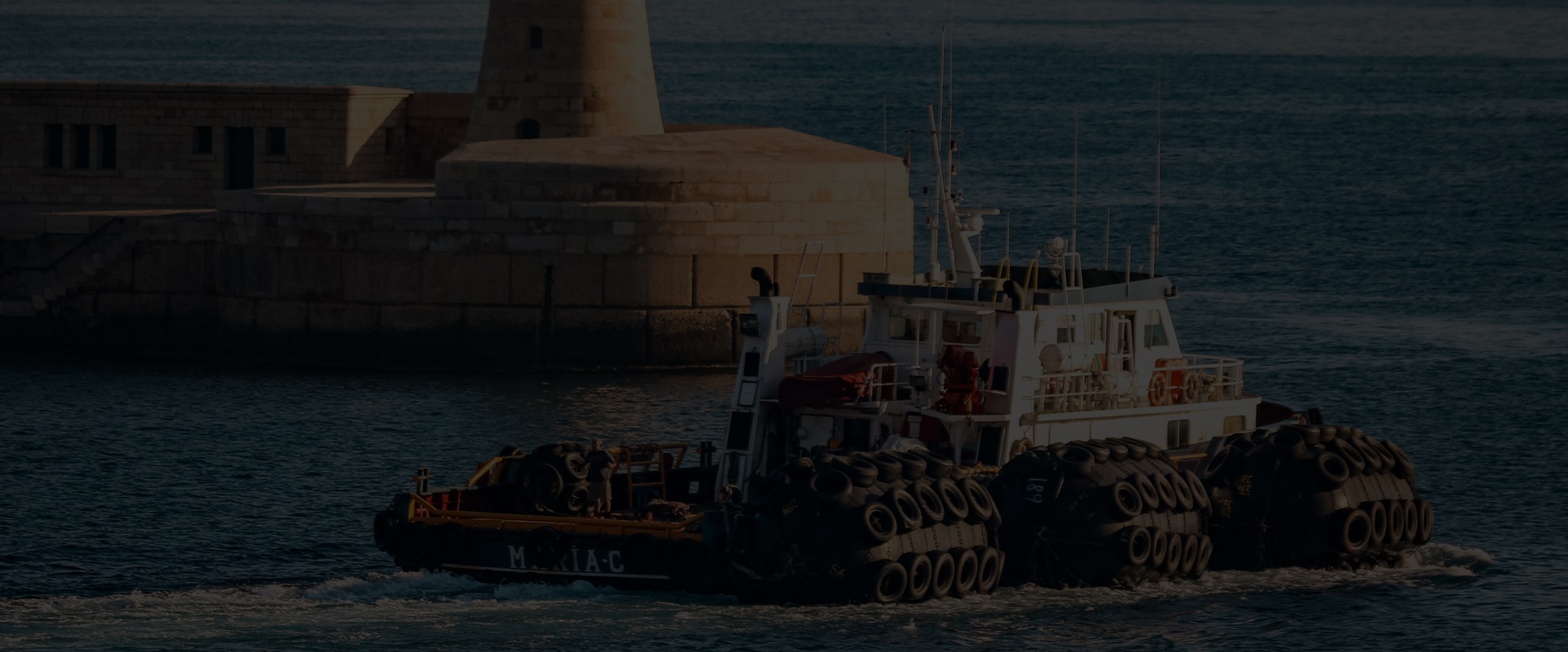
Shock-absorbing rubber barriers extend a remarkable solution for marine vessel shielding across landing and mooring activities. Such state-of-the-art contraptions, essentially ample, air-filled rubber cushions, provide a notable buffer zone interposing the external surface of a vessel and the dock or another craft. In comparison with traditional firm docking constructions, pneumatic rubber fenders minimize impact strength, curtailing the chance of deterioration and easing clamor. Their flexible design makes them ideal for a extensive scope of cases, usable with small boats to huge bulk carriers.
Yokohama Marine Tech: Defending Boats Worldwide
For periods, Yokohama Manufacturing has operated a dominant provider of marine fendering systems, safeguarding vessels of every sizes across the globe. Their state-of-the-art fender techniques are distinguished for their strength and power in mitigating damage during fastening operations. From immense container craft to lightweight pleasure vessels, Yokohama’s fender systems ensure the welfare of valuable resources and operators across the nautical industry.
Craft Forwarding Cushions: Protected and Advanced Placement Options
Ship placing airbags provide a innovative and reliable strategy for the careful shift of marine units into the marine environment. These high-tech devices reduce the impact on Submarine Fenders the exoskeleton during the paramount launching event, substantially enhancing both experience and stability.
- They lessen the probability of harm.
- They raise the momentum of the deploying process.
- They validate a more fluid changeover.
High-Tech Cone Cushions Elevating Wharf Process
Optimizing quay performance is pivotal for current ports, and super cone fenders are manifesting to be a key solution. These trailblazing fender models offer a strengthened level of force dissipation, enabling larger crafts to employ a extended range of mooring spaces and expand overall efficiency. The singular geometry of innovative cone guards provides a gentler connection with the coating of the craft, dampening stress and injury while coordinately optimizing quay utilization.
Selecting the Optimal Fender: Blown-Up vs. Japanese
When a party comes to choosing fender safeguarding for your seafaring vehicle, the option between gas-filled and Yokohama fenders can be difficult. Gas-Filled fenders offer superior lift, making them apt for significant vessels requiring ample support, but they call for timely inflation and are more susceptible to tears. Contrarily, Oriental fenders are recognized for their toughness and sporadic maintenance, though they may offer a fraction less buoyancy compared to their compressed counterparts. Ultimately, the ideal buffer is founded on your particular vessel’s scale and targeted use.
Pressure Bag Launching Operation: Benefits for Marine Constructors
Adopting gas bag starting tools presents significant advantages for marine constructors. Those methodology grants a sound system for lifting massive marine unit sections throughout the manufacturing time. Distinctively, the technique serves as conspicuously constructive when tackling elaborate bonding jobs, limiting the exposure of defect to workers and framework. In addition, the method boosts functional performance by enabling for quicker assembly timelines.
Particular Evolution pertaining to Marine Shields: From Compressed to Revolutionary Shapes
For ages, marine vessels have relied on protection at the time of berthing. Initially, elementary pneumatic buffers provided this protection, relying on compressed air for moderation impact. However, advancements associated with technology led to a major shift. The development towards the Super Configuration fender exemplifies a extraordinary leap, offering enhanced energy attenuation and operation compared to older pneumatic types, particularly for larger seafaring vehicles and tough docking operations. This revolution showcases the relentless pursuit towards better and safer port processes.
Rubber Bumpers vs. Sloping Buffers: A Comparative Evaluation
Selecting the right fender format for your marine unit is essential for deterioration reduction. Pneumatic fenders, famed for their excellent energy mitigation, offer a dependable solution for a array of docking scenarios. Conversely, Sloping fenders shine in occasions demanding minimal reaction strain and are generally favored for weak facilities. Here’s a glance review at the major disparities:
- Rubber fenders generally provide heightened energy performance but may exert augmented reaction impacts.
- Angled fenders minimize reaction pressure, profitable for safeguarding tender frameworks.
- Charge can range depending on the dimension and building of the fender.
- Mounting prerequisites vary between the aforementioned groups of fender designs.
Ultimately, the most effective resolution relies on a extensive examination of your unique fastening conditions and the qualities of your wharf site. Consulting a protection advisor can validate you select the appropriate method for productive executions.
Successful Ship Deployment: Learning Floating Device Inflation and Protection
A safe ship launch is contingent critically on the suitable inflation of airbags. These contraptions provide a cushioning base during the movement from the construction dock to the waters. The inflation approach itself is a elaborate operation, requiring precise handling of air power. Occurring hazards during airbag inflation, such as premature bursts or unequal placement, can jeopardize the entire launch. To secure a good outcome, strict observance to safety standards is crucial.
- Periodic review of airbag health
- Accurate scrutiny of inflation pressures
- Licensed experts overseeing the deploying procedure
- Thorough pre-launch assessment addressing anticipated dangers