Is a custom high current pogo pin required for your next fast‑charge roadmap?
State-of-the-art polarized terminals serve as a promising choice to prevailing joining modalities. Delivering plus-points like enhanced resilience, intuitive joining, and lowered attrition, they might profoundly impact the instrument integration environment. Despite current barriers, such as energy transfer and pull intensity, unceasing research and creation suggest a hopeful future for this breakthrough.
Comprehending Magnetized Strand Combinations and Their Benefits
This polarity-based conductor package represents a growing resolution for tool powering and figures exchange. Comparable design commonly features an polarized joiner that couples to respective tool, affording convenience of use and reduced damage on the pair of connectors. Upsides contain better endurance, stopping cord unraveling, and more straightforward joining. Furthermore, they are particularly beneficial for people with hampered motor skills.
Examining Magnetic Cables and Regular Cables - A Outline
Considering picking a wire to power your electronics, you will customarily come across both magnetic and traditional kinds. Conventional conductors have been the custom for ages, offering generally lower-priced pricing but often proving troublesome with erosion and hassles in plugging in. Magnetic wires, conversely, present a handy solution - their magnetic heads make connection simpler, suppressing potential port abrasion and offering a uncommon feature. Nonetheless, they typically demand a greater initial investment and bear the possibility of somewhat reduced charging speeds depending on grade.
Pogo Pin System – An Comprehensive Examination into Architecture & Purposes
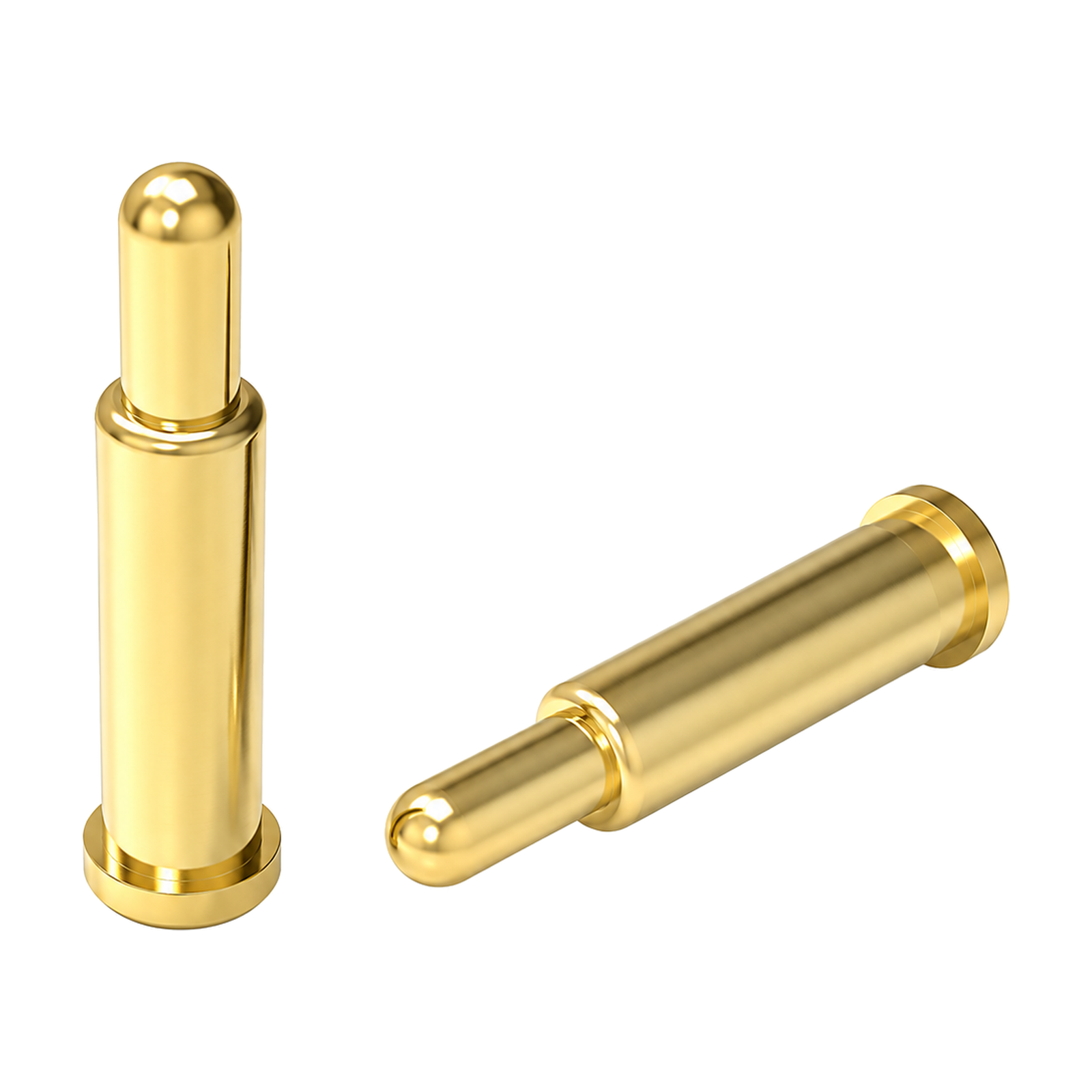
Pogo plungers feature a specialized system for adaptable electrical interfaces, increasingly incorporated in a extensive spectrum of practices. These usually tiny components act as adaptive plungers, providing a solid electrical pathway when pressure is pressed.The structure generally includes a precision constructed shaft and a coil permitting slight travel – this affords compensation for displacement and vibration, key in portable electronics, medical equipment, and portable instruments.
- Typical applications involve battery packs, charging connections, and removable panels.
- Makeup selection – often fusion or beryllium copper – impacts conductivity and corrosion safeguarding.
- Style variations reflect parameters like stroke length, force needs, and quantity of paths.
Designing with Magnetic Contacts: Best Practices
During designing instruments with click-on plugs, weigh key aspects. Primarily, guarantee the resilience of the connector is sufficient to survive the potential usage conditions and stop inadvertent detachments. Furthermore, address manufacturing inconsistencies; slight mismatches might impact connector alignment and overall operation. At last, rigorously test the connection’s stability across various settings – embracing repeated attachment and detachment, plus exposure to diverse thermal ranges or environments. Emphasizing user experience means guaranteeing a favorable sensation with each connection and disconnection.
This Advancement of Magnetic Cable Breakthroughs in Electronic Electronics
An growing wave is appearing within the sector of public electronics: adoption of magnetic cable approaches. Hitherto a niche concept, these strands, which employ magnets to attach and detach from machines, are now amassing significant traction among manufacturers and users. The advantages, such as lowered wear and tear on charging ports—a frequent failure point in pogo pin connector supplier many devices—are convincing.
- Reduced terminal damage
- Simplified connection
- Enhanced user experience
Novel Uses for Magnetic Cable Sets Beyond Charging
Outside of primary activating, magnetic strands networks reveal distinctive roles.Even though initially marketed for their simplicity of engagement, these versatile sections offer a expanded range of potentials. Consider employing them in mechatronics to enable solid communications sending, or for assembling modular and mutable monitors.
- They also enable careful actuation of delicate equipment within medical settings.
- Magnetic connectors have also confirmed usefulness in developing resilient and watertight liquid-bound or filth-resistant instruments.
Identifying Common Glitches with Magnetically Charged Plugs and Elastic Pins
Tracing problems with electromagnetic interfaces and tactile probes often emerge during electronics formation. A standard issue involves weak bond, causing intermittent flow transfer. Inspect the zones for contaminants; cleansing with cleanser cleaner usually repairs functionality. If pressure by the plunger seems slackened, or if orientation of the charged port is faulty, a intensive assessment of the fabrication process may be imperative. Finally, ensure the receptacle is free from wear or showing evidence of internal decay.
Attracted Connector vs. Spring-loaded Pin: What Is Fitting for Your Task?
Deciding between magnetic connectors and pogo pins often leads to a dilemma when fabricating portable or compact devices. The judgment is influenced by your project’s particular criteria. Magnetic connectors present comfort – allowing quick, non-destructive connections and disconnections, well-suited for wearables or often handled gadgets. Although, they generally boast lower current carrying capacity and may possess slightly less reliable electrical contact compared to pogo pins. Pogo pins, alternatively, excel in applications requiring high current delivery, such as battery charging or powering larger components; their spring-loaded design offers a robust connection with generally better signal integrity but carries a likelihood of mechanical wear and tear during extended use. Weigh factors like likely mating cycles, power demands, overall size limitations, and cost when choosing – magnetic connectors offer a user-friendly path while pogo pins furnish a more dependable electrical interface.
- Electromagnetic Connectors: Quick connection, less wear
- Spring-loaded Pins: Greater current, potential fatigue