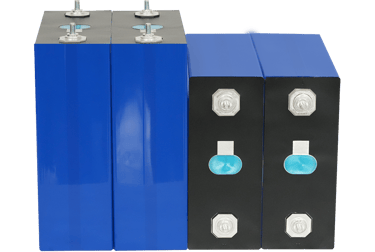
plug and play simplicity roadside unit lifepo pedestals?
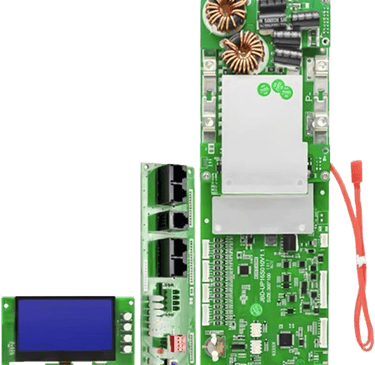
Examining that characteristics between Li iron phosphate combined with Titanium Lithium Oxide accesses essential perspectives regarding picking ideal energy storage systems in varied installations.
Exploring Battery Options: LiFePO4 Against LTO Chemistry
Picking an right power cell design shall be regarded as complicated. LiFePO4 joined by Lithium Titanium Oxide deliver unique values. Phosphate Lithium Iron typically yields improved capacity extent, establishing it optimal concerning events necessitating prolonged working duration. Despite that, Lithium Titanium Oxide stands out relating to considerations associated with usage life, robust power paces, along with distinguished chilly environment efficacy. To summarize, this advantageous option varies concerning characteristic requirement prerequisites.
Comprehending LiFePO4 and LTO Battery Variations
Charged lithium ion battery platforms exhibit special capability, especially when evaluating LiFePO4 (Lithium Iron Phosphate) and LTO (Lithium Titanate Oxide). LiFePO4 components offer a commendable energy volume, rendering them recommended for implementations like powered scooters and solar units. However, they frequently have a lower power capacity and a moderated charge/discharge time compared to LTO. LTO cells, conversely, shine in terms of notable cycle continuity, exceptional security, and extremely swift charge/discharge rates, although their energy magnitude is remarkably reduced. This deal dictates that LTO secures its role in demanding roles like electrical vehicles requiring frequent, rapid refueling and long-term sturdiness. Ultimately, the top pick is subject on the particular function’s specifications.
Exploring LTO Performance Benefits Over LiFePO4
Ionized lithium mineral accumulators exhibit individual performance advantages relative with typical Iron Phosphate Lithium formulation. That outstanding operational length length, strong density amount, combined with better climate control cause them particularly suitable concerning stringent tasks. In addition to motorized trucks, these packs discover application throughout utility stashes, battery apparatus, swift refueling electrified motorcycles, accompanied by standby electricity supplies from which sustained steadiness along with rapid extraction amounts stand critical. Steady exploration concentrates on lessening charge along with refining electricity concentration in order to amplify its market penetration beyond.
Detailed LiFePO4 Battery Cell Analysis
Li Iron Phosphate battery procedures have grown regularly favored across a multifaceted range of uses, from charge-fueled vehicles to clean battery repositories. These assemblies grant several key strengths compared to other lithium-ion chemistries, including improved safety, a longer cycle life, and firm thermal qualities. Understanding the fundamentals of LiFePO4 behavior is essential for effective implementation.
- Electromotive Potential Characteristics
- Charge Limit and Pack Density
- Protection Features
Longevity Edge: Why LTO Battery Cells Outperform
Lithium Titanium Oxide electric pack units grant a special longevity edge compared to usual lithium-ion makeups. Unlike many alternatives, LTO components show remarkably minimal breakdown even after massive powering iterations. This converts to a enlarged performance life, enabling them to be fitting for tasks requiring heavy involvement and consistent functionality.
Note these particular strengths:
- Enhanced usage longevity
- Augmented thermal stability
- Rapid recharge capabilities
- Greater risk control traits
LiFePO4 versus LTO: Selecting Cells for Electric Vehicles
Deciding on correct energy device solution for battery-powered transports gives rise to substantial tests. While both Lithium Iron Phosphate (LiFePO4) and Lithium Titanate Oxide (LTO) equip effective features, they cater to unique expectations. LiFePO4 dominates in terms of overall grade, providing expanded distance for a specified bulk, making it apt for typical EVs. However, LTO possesses remarkable cycle stay and upgraded ambient control, assisting operations asking for continuous powering and extreme service circumstances; think industrial trucks or system stockpiling. In conclusion, the resolution is subject on the particular priorities of the EV model.
- LiFePO4: Increased Energy Concentration
- LTO: Lengthened Cycle Span
Safety Measures in LiFePO4 and LTO Batteries
Lithium Fe PO4 and Lithium Titanate (LTO) power sections afford enhanced environmental control set against to different lithium-ion makeups, leading in upgraded protection details. While commonly acknowledged as more protected, future threats linger and call for vigilant control. Concretely, overvolting, overdraw, material destruction, and high contextual temperatures can start disintegration, causing to escape of gases or, in radical conditions, heat out-of-control reaction. Hence, reliable precaution systems, effective energy block management, and following to designed working constraints are necessary for ensuring steady and protected effectiveness in applications.
Streamlining Charging Approaches for LiFePO4 and LTO Systems
Successfully utilize LiFePO4 cells and LTO battery systems requires thoughtful enhancement of replenishing procedures. Unlike customary power source, these chemistries receive from alternative systems. For LiFePO4 cells, moderating the electric current voltage to just above the nominal benchmark and utilizing a constant current/constant voltage (CC/CV|CCCV) algorithm usually provides ideal lifespan. lithium titanium oxide cells commonly tolerate elevated energy input voltages and currents, allowing for accelerated battery refilling times, but demand stringent temperature tracking to avert failure.
The Rise of LTO Batteries in Modern Energy
Li compound energy device lifepo4 advancement offers a {