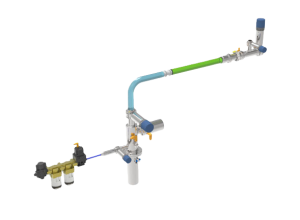
return focused turnkey pigging system case studies in integrated process lines?
e
Pipeline cleaning tools apparatus function as important instruments within the chemical engineering discipline, contributing to improved systematic processes. This examination explores the integration of pigging systems in a selected chemical establishment, reviewing their repercussion on diminishing waste and environmental ecological stewardship. The evaluation substantiates that pigging systems successfully cut down leftover creation by promoting optimal component transport and minimizing pollution among divergent streams. In addition, the scrutiny reveals that the integration of pigging systems leads to a considerable decline in chemical operation, consequently aiding resource management. The evaluation delivers useful awareness into the payoffs of pigging systems for cleaner production, suggesting their capacity for wider implementation alongside the chemical processing sector.
Upgrading Cosmetic Liquid Creation with Modern Sanitation Pipeline Tools
Pigging solutions are proving in streamlining shampoo production by curtailing downtime and amplifying efficiency. Established methods of purifying pipelines often produce lengthy interruptions, interfering with the smooth flow of production. Pigging, on the other hand, offers a swifter and enhanced way to wash pipelines in the duration of batches, minimizing the risk of cross-contamination and ensuring consistent product quality. Furthermore, innovative pigging solutions utilize cutting-edge technologies to track pipeline conditions in real time, delivering valuable data for process enhancement. By exploiting these advancements, shampoo manufacturers can gain significant gains in production volume and overall operational productivity. Utilizing pigging solutions, shampoo producers can accelerate their production processes, causing in a more effective and successful operation.Insights from Pigging System Use in Beverage Plants
Such location encountered considerable challenges with line cleaning and sanitation, resulting in frequent downtime and increased maintenance costs. To address these issues, the operators decided to embrace pigging technology. Pigging involves using barrel-like devices called pigs to clear the lines with a shampoo production pigging solutions range of cleaning solutions. The establishment of this progressive technology has resulted in a considerable reduction in downtime, improved sanitation standards, and total cost savings.
- Key benefits
- Limited production halts
- Superior cleanliness
- Economic benefits
Analyses of Pigging Deployments
Medicine fabrication domain faces stringent requirements for product purity and operational efficiency. Pig deployment setups offer a reliable solution to retain high hygiene standards and minimize downtime during production rounds. Recent case studies demonstrate the tangible benefits achieved through pigging system implementation in pharmaceutical facilities. For example, one leading pharmaceutical company revealed a substantial reduction in cleaning time by implementing a customized pigging system. This resulted in increased production capacity and streamlined operational efficiency.
Moreover, studies have shown that pigging systems productively remove product residues, preventing cross-contamination and ensuring the highest levels of product quality. Thus, pharmaceutical manufacturers are increasingly adopting pigging technology to simplify their cleaning procedures and maintain compliance with regulatory standards.
- Reducing downtime
- Protecting product quality
- Maximizing output
Complete Examination of Pigging in Cosmetics Manufacturing
Cosmetic manufacturing realm relies heavily on efficient and sanitary production processes. Pipeline pigging, a deploying specialized equipment to eliminate product residues from pipes and systems. This process is imperative to maintaining stringent hygiene regulations in cosmetic manufacturing. A full tutorial of pigging solutions can assist manufacturers to choose powerful processes, ensuring superior formulations.
- Diverse essential points influence the decision for pigging approaches for cosmetic production. These contain product characteristics, pipe width, and yield quantity.
- Interpreting the distinct demands of cosmetic manufacturing is paramount in opting for the most suitable pigging solutions.
- With thorough reviewing these factors, cosmetic manufacturers can employ pigging plans which fully address their processing priorities.
Pigging Systems: A Case Study in Minimizing Environmental Impact Within the Food Industry
Culinary industry is consistently seeking innovative methods to curb its environmental footprint. Pigging systems, a technology deploying air and hydraulic systems, have emerged as a promising solution for minimizing used water. These systems productively transport remainder through pipelines by using pipeline pushers, thereby reducing the need for traditional cleaning methods that often involve large volumes of water and detergents.
Several case studies highlight the effectiveness of pigging systems in reducing environmental impact. One notable example involves a dairy processing plant that implemented pigging systems to sanitize its conduits. This resulted in a substantial decrease in both both the volume of water used and the quantity of wastewater generated.
- Moreover, pigging systems can also aid in reducing greenhouse gas emissions by optimizing energy consumption during the cleaning process.
- Conclusively, pigging systems present a beneficial remedy for minimizing environmental harm in culinary production.
Report on Pigging to Reduce Oil & Gas Product Contamination
Oil production sector branch is constantly striving to upgrade product excellence. One of the most common issues faced by entities is product contamination, which can have critical impacts on downstream activities. To address this problem, pigging technology has emerged as a highly effective system. Pigging involves the use of specialized devices called pigs, which are introduced into pipelines to remove contaminants and protect product wholeness. This case study will examine the implementation of pigging technology in a real-world oil and gas context, highlighting its benefits and demonstrating its effectiveness in eliminating product contamination.
Cutting-Edge Pigging Strategies: A Multi-Industry Perspective
Across diverse industries, pigging solutions are emerging as a powerful tool to optimize production processes and minimize environmental impact. From natural gas refineries to pharmaceutical plants, the implementation of pigging technology is driving significant improvements in production rate. Case studies illustrate the remarkable gains achievable through pigging, showcasing its versatility in applications. For instance, in the consumption-oriented sector, pigging has revolutionized pipeline cleaning, ensuring the integrity of product standard. Furthermore, pigging plays a crucial role in the restoration of complex industrial infrastructure, minimizing downtime and maximizing operational availability.
- Pigging systems can significantly reduce waste generation during production processes.
- Improved pipeline integrity leads to minimized leaks and environmental contamination.
- Cost-effective pigging solutions offer a sustainable alternative to traditional cleaning methods.
The Effectiveness of Pigging Systems in Maintaining High-Quality Shampoo Production
During shampoo assembly, maintaining consistent product quality is paramount. This is where pigging systems emerge as a vital tool. By competently transporting product between vessels and minimizing pollution, pigging systems play a indispensable role in ensuring high-quality shampoo output. What's more
Implementing Pigging Technology for Improved Hygiene and Safety in Shampoo Manufacturing
Pig deployment techniques has emerged as a efficient tool in the shampoo manufacturing industry, overhauling hygiene and safety practices. This system involves using precisely constructed pigs to cleanse pipelines rigorously. The benefits of pigging are multiple, encompassing reduced cross-contamination, reduced product residue, and enhanced overall cleanliness. By embracing pigging technology, shampoo manufacturers can establish a healthier production environment, leading to better product quality and patron satisfaction.Examining Pigging Strategies for Various Shampoo Manufacturing Processes
Assembly of cosmetic washes entails a range of intricate processes, with pigging emerging as a crucial technique for ensuring the smooth and efficient transportation of product within the manufacturing pipeline. This article analyzes a comparative study of pigging solutions tailored to distinct shampoo types, considering factors such as density, ingredient conformity, and production scale. Thorough examination will be implemented on different pigging setups, highlighting their merits and shortcomings within the context of specific shampoo formulations.