What corrosion allowances should you consider for a Corrosive Fluid Pump?
Kicking off
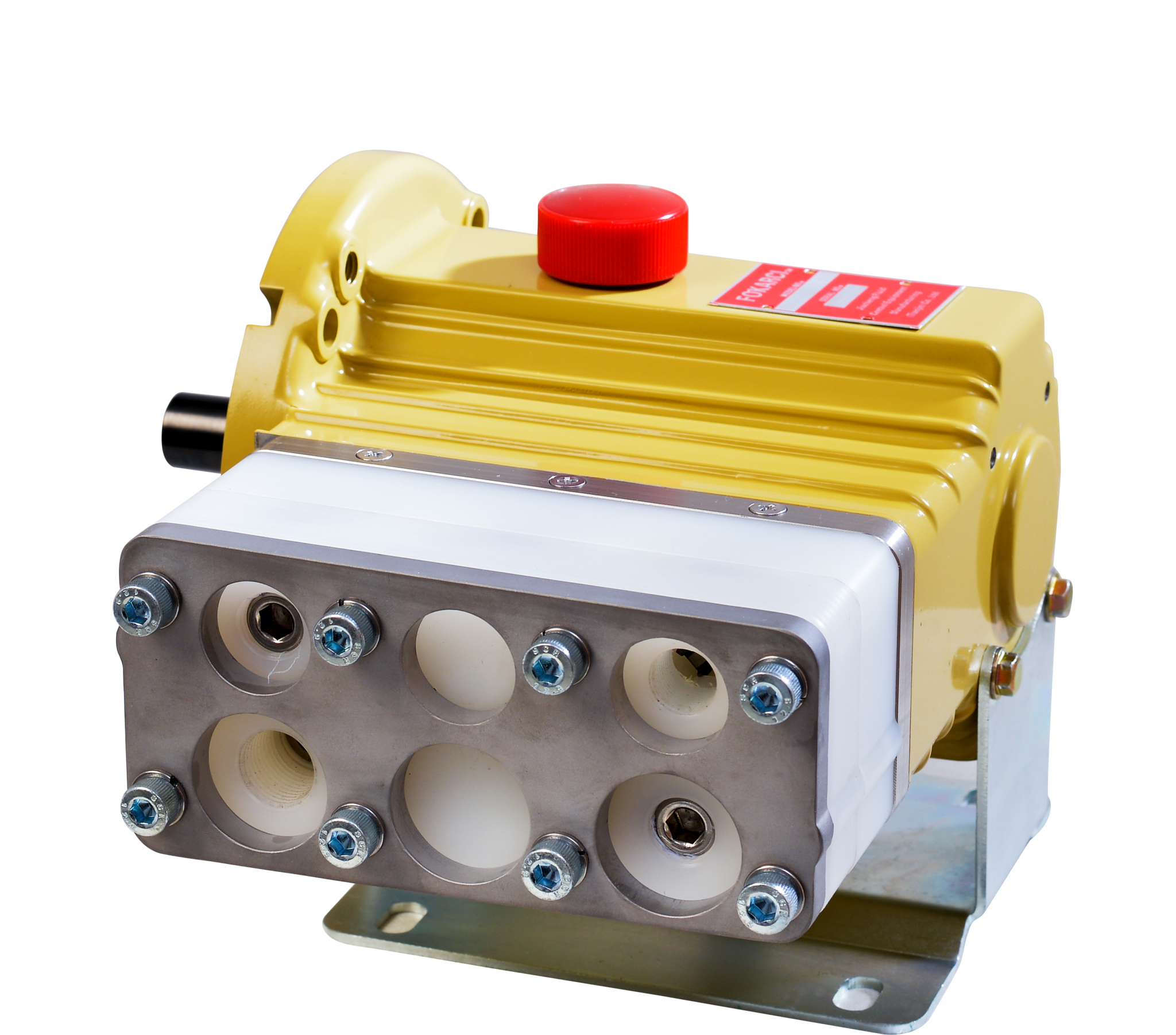
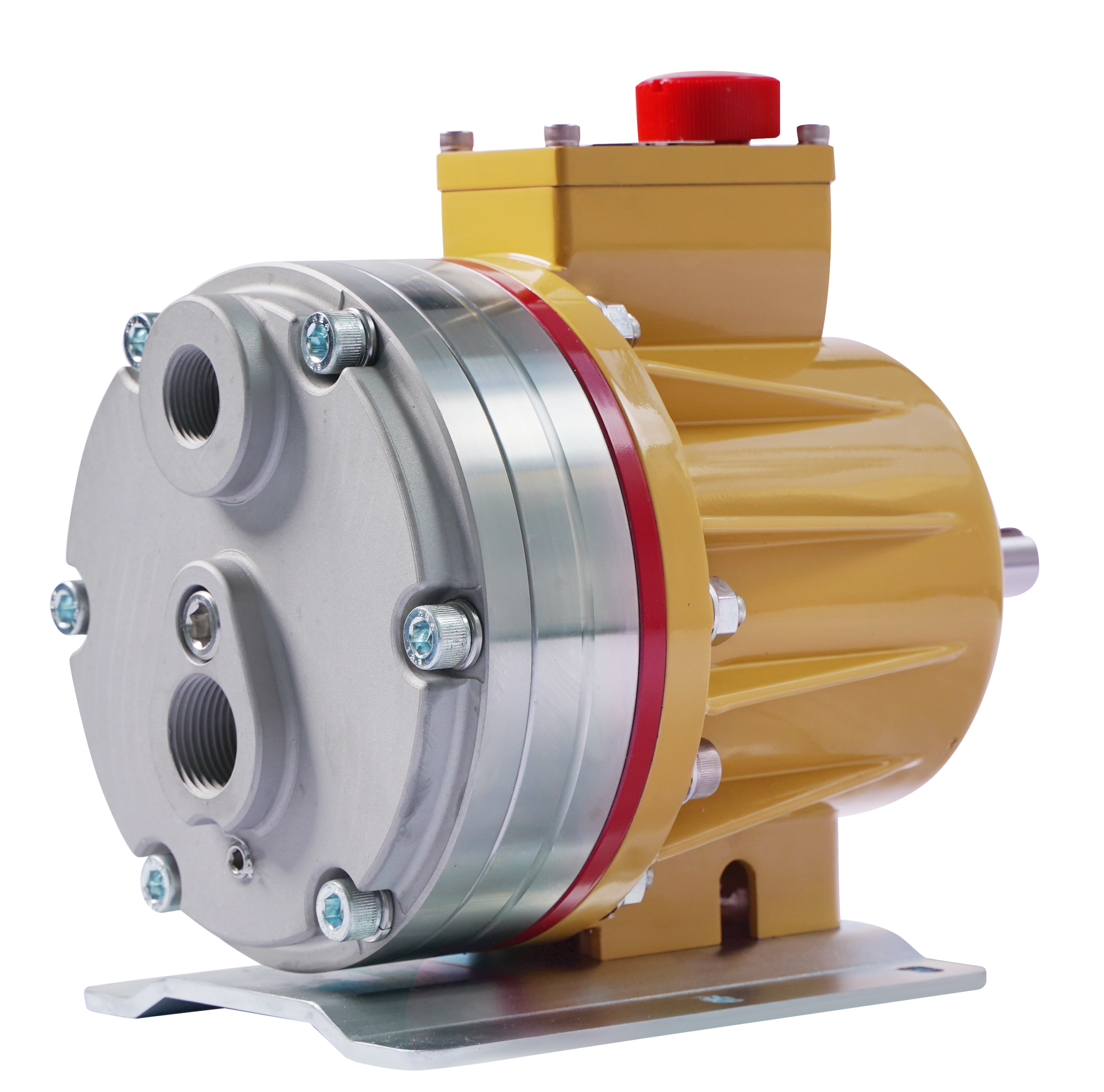
Ram and piston film alternatively flexure deliverers exemplify a singular mix of displacement-driven and pliant part system, supplying strong output for numerous commercial operations. Such drivers exploit a back-and-forth actuator also called ram to force flow opposite a yielding film, effectively making flow. Those structure grants for superior compression abilities regularly reaching high-force levels – and shielding the conveyed liquid from the motion origin, securing it from degradation. Apprehending their functional basis is imperative; during the rod pulls in, a chamber occupies with liquids; subsequently, the forward push shoves this liquid past the emission point, the flexible membrane moving to take in force fluctuations. This fabrication limits exfiltration and handling wearing or brittle chemical fluids—demonstrating their necessity applied in chemical work, fluid control, and intensive cleaning.
```textHigh-Pressure Flexure Transporters: Scenarios and Upsides
Pliable Layer pumps provide an exceptional remedy for tough functions requesting considerable pressure. Conventionally exploited in branches like chemical transformation, paint spraying, and sewage processing, these devices perform excellently at handling thick fluids or those carrying debris. Advantages include their capability to run dry without damage, self-priming features which reduce setup time, and excellent suction lift – enabling them to draw liquids from below sources. What's more, the arrangement furnishes airtight defense, forestalling leakage of risky fluids and maintaining green protection – establishing them as a safe choice when engaging with easily ignited or wearing substances. The sturdy build ensures extended durability even under periodic usage patterns.```Poly-Piston Barrier Delivery Units for Stringent Engineering Jobs
Industrial functions commonly require heavy-duty pumping alternatives, and multi-plunger-style pumps stand for a attractive option. Those units apply the rewards of flexible plate technology – exquisite chemical matching and dry-running abilities – combined with multiple actuators to supply significantly higher amounts compared to single-module designs. The arrangement enables for careful pressure management and working with wearing or tender solutions, conferring them suited for processes such as chemical lacquer injection, high-pressure cleaning, and hydraulic power – offering improved competence over conventional pumping tactics.
A Dynamism of Strong Force Regulating Pumps in Exact Settings
Quantifying instruments, running at notable force, stand for distinct required fragment in numerous fine functions. These skill to supply liquids with unparalleled supervision makes them appropriate for rigorous tasks like substance application, compound deployment in analytical settings, and force-powered inspection. The dependable dosage delivered through these modern pumps promises reliable outcomes, markedly lessening excess and enhancing overall productivity.Determining this Best Membrane Apparatus: Such Complete Investigation
Selecting a ideal diaphragm unit for your operation can be tricky. Considerable factors govern this conclusion, including fluid quality, flow rate requests, and pressure potentials. Consider pneumatic, electric, or hydraulic driven models; each offers distinct advantages and disadvantages. Pneumatic pumps are generally economical and transportable, while electric pumps provide more stable flow, and hydraulic options excel with high pressure processes. A careful comparison of these aspects is vital for achieving optimal operation and minimizing downtime.
Fixing Typical Problems with Ram Membrane Deliverers
Addressing typical glitches with reciprocating piston pumps can often lessen costly pauses. A drop in compression is a common symptom, possibly due to deteriorated seals or clogged check controls. Inspect the seal for cracks or punctures; replacement is often a effortless solution. Air seepages can result from loose fittings or faulty connections, requiring fastening. Finally, ensure proper lubrication and consistent maintenance to maximize the pump’s operational life and capability.
Upgrading Operation: Care Tips for Rubber Instruments
So as to guarantee optimal capability from your seal pump, scheduled maintenance is mandatory. Survey the rubber sheets frequently for indications of erosion, such as cracks, and restore them as needed. Likewise, observe air pressure and flow velocity; discrepancies can point to issues with High Flow Diaphragm Pump Manufacturer the airflow control. Clear out the pump body periodically to remove any aggregated debris, and slick moving parts according to the vendor’s recommendations. At last, keep your suction lines free from obstructions.Assessing Multi-Piston vs. Single Plunger Arrangements
If deciding a hydraulic system, the judgment between a several plunger and a sole actuator design presents major differences. Predominantly, single-piston systems offer uncomplicated nature and are optimal for minimized output applications, while multi-piston designs provide a means to improve the overall throughput without needing to significantly increase energy. On the other hand, multi-ram systems are often intricate to look after and can be costlier initially.
Emerging Progressions & Advances in Maximum Pressure Pumping Systems
That future setting for heavy-duty flux pump systems discloses diverse promising developments and novelties. Breakthroughs are being driven by the need for increased efficiency, heightened robustness, and reduced environmental burden across various fields like energy sector, sewage treatment, and chemical processing. We foresee a rise in digitally integrated solutions; transducers, coupled with predictive maintenance formulas, will become commonplace – constraining downtime and optimizing performance. New materials are critical, including the exploration of ceramic composites for enhanced abrasion resistance & corrosion mitigation. Moreover, hydraulic fracturing applications foresee a shift toward proppantless techniques leveraging higher pressures to achieve equivalent results; decreases waste and logistical complexity.
- Inquiry into novel pump designs – such as axial piston pumps with variable displacement capabilities and magnetically levitated alternatives aiming for near-zero friction – is gaining momentum.|
- Reduction technologies are crucial, leading to the development of smaller, more agile high pressure pumping units suited for specialized operations.
- Stress on sustainable solutions like electric powered pumps will continue to grow, decreasing carbon footprints and operational costs.