What training and knowledge sharing can your bleaching earth supplier provide your lab team?
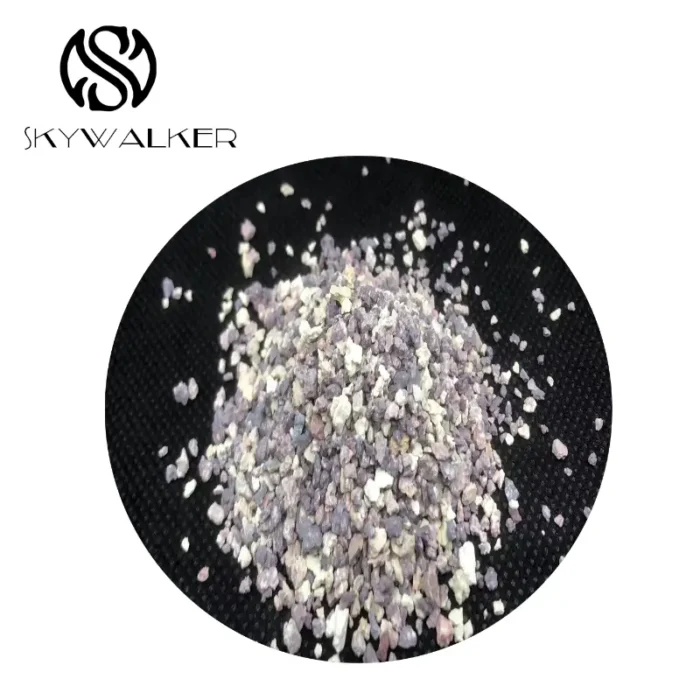
Assimilating modified purifying earth calls for a profound investigation of its properties. This distinctive compound is extensively employed in the treatment of hydrocarbons, effectively filtering impurities. The treatment approach typically involves biochemical treatment, enhancing its binding efficacy to capture colored substances. In the end, this report will explore the principles behind processed bleaching clay and its roles.
Purifying Aggregate Partners: Finding the Ideal Source
Attaining a solid company of bleaching earth is vital for many fields, particularly those involved in vegetable oil distillation. Selecting the appropriate partner requires detailed consideration beyond just expense. Inspect their background in refining agent distribution, their regulation procedures, and their aptitude to consistently handle your output needs. A established bleaching earth company will also offer recommendations and a portfolio of levels to match your individual application.
Distinct Foundation Behind Prepared Refining Aggregate
Improved bleaching mineral, a cornerstone for the refining procedure for edible oils, functions through a fascinating combination of mechanical and chemical reactions. Initially, naturally occurring bentonite is activated – a strategy involving heat and substances – to drastically increase its surface scope. This expanded surface grants an immense number of positions for the specific adsorption of color pigments, contaminants, and undesirable odor compounds. The mechanism is primarily weak bonding, where molecules are held by weak van der Waals connections, though some bonding adsorption can also arise with certain compounds. This results in a significant decline of color and boost of the oil's aspect and taste.
Detoxifying Aggregate - Attributes and Uses
Lightening compound, frequently called kaolin, features unique attributes that render it considerably effective across various assortment of businesses. Its main attribute is its impressive clarity, originating from its decreased metal content. This aspect renders it favored for purposes demanding a shining appearance. Other than its tone, lightening substance is predominantly delicate and has notable plasticity, empowering it to be readily fashioned. Typical roles encompass textile production, polymer strengthening, clinical preparations, toiletry products, and as an sorptive factor in multiple technological operations. Likewise, it finds implementation in earthenware and dye industries.
Choosing the Appropriate Processed Purifying Mineral for Your Demands
Deciding on the correct refining material can be a advanced task, as numerous applications necessitate unique properties. Weigh the type of product you’re managing; some substances are better for plant oils, while alternative types bleaching clay are configured towards creature fats. Factors like particle size and filtering ability considerably influence success.
- Assess the hue and smell degree of the source to determine the mandated detoxifying level.
- Review the granularity; smaller particles generally deliver higher surface area, but may lead to screening challenges.
- Comprehend the humidity degree as it changes the aggregate’s bleaching capacity.
Detoxifying Mineral: Generation Systems and Management
The production of bleaching earth, a widely utilized compound for oil refining and chemical purification, involves several key phases. Initially, bentonite is obtained and then subjected to alteration via heat influence and/or chemical adjustment. This operation enhances the absorptive properties of the clay. Consequently, rigorous merit evaluations are implemented, featuring determinations of portion size division, fuel adsorption potential, and moisture measure. Cutting-edge analytical methods, such as BET analysis and formal assessment, are utilized to validate a steady output that corresponds to stringent norms.
Green Sourcing of Treated Bleaching Compound
The growing demand for activated bleaching earth presents a fundamental challenge regarding its manufacturing and environmental impact. Established sourcing methods can cause habitat impairment and diminishment of natural resources. Consequently, a shift towards sustainable sourcing is necessary. This involves implementing practices like tree planting of mined areas, reusing waste offcuts from other industries for development, and supporting community-based communities to ensure ethical and trustworthy mining operations. Furthermore, confirmation schemes and thorough evaluation processes are needed to corroborate that the soil is acquired in a truly ecological manner. Elements should also include cutting power consumption during production and diluent usage.
- Afforestation efforts
- Capitalizing on waste materials
- Partnering with local communities
- Accreditation schemes
Detoxifying Material Firm Compilation: Premier Organizations Sorted
Searching for a solid bleaching earth supplier can be a difficulty, but our comprehensive index aims to facilitate the process. We’ve carefully aggregated data and ranked leading firms in the bleaching earth business. This compilation highlights key producers known for their excellence and guidance, allowing shoppers to find the preferred source for their individual needs. Countless factors, including production capacity, offering, and ratings, were scrutinized in determining these best grades.
Understanding Activated Bleaching Earth Performance Metrics
To properly gauge the standard of activated bleaching earth, it’s necessary to learn key capability metrics. These markers often include color parameter, typically measured using a spectrophotometer, which represents the earth’s ability to eliminate color from oils. Also, acid content is vital, as it impacts the bleaching process; a higher degree usually corresponds with improved purification capabilities. Finally, binding area, often analyzed via BET analysis, immediately impacts the earth’s capacity to capture colorants, ultimately governing its overall purifying strength.